
Health Canada Announces Amendments to Cannabis Regulations

As of March 12, 2025 Health Canada has implemented changes to the Cannabis Act and its Regulations. These changes may impact licensed operations as well as current applicants. While some of these changes apply immediately, others have transition periods to give businesses time to adjust. Understanding these updates now can help you stay compliant, cut
... Read moreHealth Canada Proposes Changes to Caffeine as a Supplemental Ingredient

Changes are on the horizon for caffeine as a supplemental ingredient, and they could directly impact your business. Whether you manufacture energy drinks, snack bars, or functional beverages, these updates will determine how you formulate and market your products moving forward. At the same time, Health Canada is tightening regulations to ensure consumers stay informed
... Read moreSelf-Affirmed GRAS May End – What It Means for You

The self-affirmed GRAS pathway may soon be eliminated. On March 10, 2025, HHS Secretary Robert F. Kennedy Jr. directed the FDA to explore rulemaking to remove the option for companies to self-affirm that food ingredients are safe. If implemented, this shift will require all GRAS determinations to undergo FDA review, significantly altering the regulatory landscape
... Read moreFDA’s New AI Rules for Medical Devices: What’s Changing?

Artificial intelligence (AI) is reshaping the medical device industry, making diagnostics, treatment planning, and patient monitoring more efficient than ever. But with innovation comes regulation. The FDA’s new AI rules for medical devices introduce critical updates that manufacturers must understand to stay compliant and competitive. These guidances are part of a broader effort led by
... Read moreNHP Labelling: Ministerial Exemption Order Announced

The regulatory landscape for NHP labelling is evolving, with businesses facing increasing pressure to comply with Health Canada’s updated regulations. Initially published on June 21, 2022, the Regulations Amending the Natural Health Products Regulations introduced stricter labelling requirements, set to take effect on June 21, 2025. Many industry stakeholders have shared their concerns about the challenges
... Read moreIs Your Cosmetic Ready for Canada’s New Allergen Rules?

Health Canada’s 2026 Fragrance Allergen Rules: What You Need to Know Health Canada recently reminded the cosmetics industry that all products must comply with fragrance allergen rules requirements by April 12, 2026. This regulation aims to support consumers in making informed choices about products containing fragrance ingredients they may be allergic or sensitive to. If
... Read moreHealth Canada’s New Front-of-Package Label Rules Explained

Introduction Health Canada’s new front-of-package label rules are set to take effect on January 1, 2026, marking a significant shift in how food products must be labelled. These regulations are designed to help consumers make informed choices by clearly identifying products high in saturated fat, sugars, or sodium. If you’re a food manufacturer, retailer, or
... Read moreHow to Make ‘Made in Canada’ Claims Amid Trade Tensions

Understanding ‘Made in Canada’ Claims With trade tensions rising and new tariffs affecting cross-border business, Canadian brands must ensure they accurately label their products. Claiming a product is “Made in Canada” can boost consumer trust and appeal, but businesses must follow strict regulations to avoid misleading advertising. Recent changes and increased scrutiny from the Competition
... Read moreNavigating the TGA Approval Process for New Substances

Bringing a new substance into Australia’s listed medicines market can be challenging. The TGA approval for new substances process involves strict regulatory oversight to ensure public safety and product efficacy. If you’re developing a product with a new ingredient, understanding the Therapeutic Goods Administration (TGA) process is critical for a smooth application. With the right
... Read moreA Practical Compliance Guide to Shilajit and FDA Rules

Navigating the FDA compliance process for shilajit can be challenging, especially if you’re new to the regulatory landscape. As shilajit gains popularity in the U.S. for its health benefits, it’s crucial to ensure your product meets FDA requirements before introducing it to the market. Understanding these steps from the beginning can help you streamline the
... Read moreUnderstanding Health Canada’s Approval on Grape Seed Extract in Foods

Health Canada has made an important decision regarding grape seed extract, now approved for use as a supplemental ingredient in foods. This modification marks a major development for businesses operating in the health and nutrition sector. Keep reading to learn how this change can affect your products and compliance strategies. Health Canada’s Decision on Grape
... Read moreWhy Are FDA Food Contact Notifications No Longer Effective?

Have you heard about the recent updates to FDA Food Contact Notifications (FCN)? The FDA has determined that several FCN are no longer effective due to changes in manufacturing and regulatory standards. These updates directly affect businesses that rely on food contact substances (FCS). Furthermore, they include strict compliance deadlines that organizations must meet. Understanding
... Read moreWhat Are FDA Medical Device Classes?

Understanding the FDA classification system for medical devices is key to getting your product to market safely and efficiently. Knowing how the FDA medical devices are categorized can help you avoid setbacks and ensure compliance, whether you’re dealing with a simple tool or a life-saving implant. But how exactly does the FDA determine a device’s
... Read moreHealth Canada Fees 2025 Guide

Understand Health Canada’s 2025 fees for NHPs, drugs, medical devices, and cannabis. Stay compliant with Quality Smart Solutions.
... Read moreHealth Canada’s New Nicotine Rules: What’s Changing in 2024
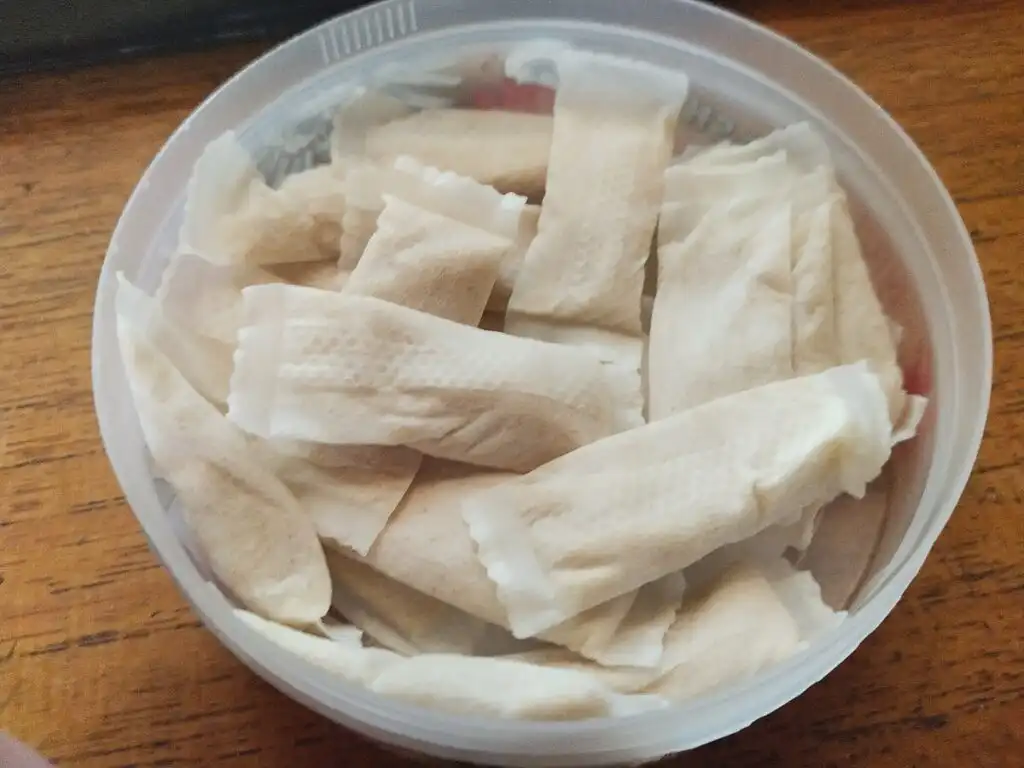
If you’re in the business of nicotine products like pouches, gums, patches, sprays, or lozenges (collectively known as nicotine replacement therapies, or NRTs), you need to know about Health Canada’s new nicotine rules. Major regulatory changes are now in place to ensure NRT products are marketed responsibly, labeled clearly, and sold in ways that prioritize
... Read moreHow to Prepare for an FDA 510(k) Pre-Submission

Are you trying to make sense of the FDA’s 510(k) pre-submission process? You’re not alone. Many companies, especially those new to the regulatory landscape, find themselves wondering where to start, what’s required, and how to get FDA approval for their medical devices. Without a clear plan, it’s easy to waste time and money on unnecessary
... Read moreHow to Ensure Compliance with Canada’s Infant Formula Registration
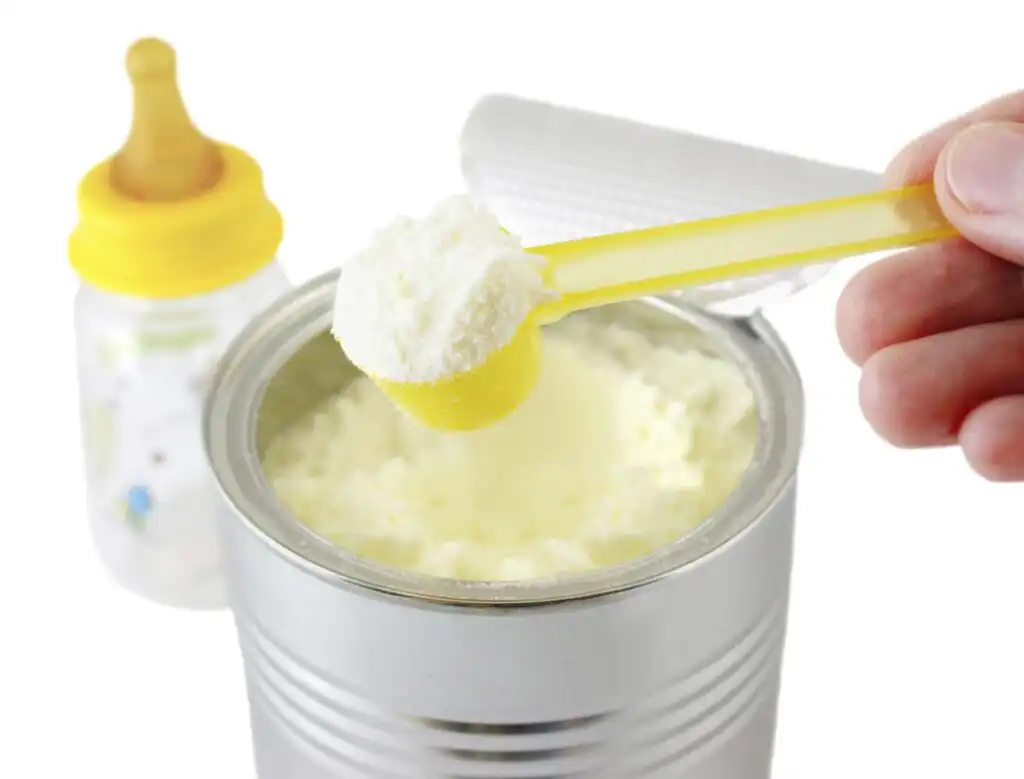
Are you looking to bring your infant formula to the Canadian market? Successfully navigating Canada infant formula registration is essential to ensure compliance with Health Canada’s strict regulations. Canada enforces some of the world’s strictest regulations to ensure that infant formulas meet the highest standards for safety, quality, and nutrition. Successfully navigating this process requires
... Read moreHealth Canada Opens 75-Day Consultation on Batch 4b – Share Your Input

Health Canada Opens 75-Day Consultation on Batch 4b – Share Your Input The Natural and Non-Prescription Health Products Directorate (NNHPD) invites industry stakeholders to provide feedback on Batch 4b, with consultation open for 75 days. We encourage you to support any suggestions for monograph revisions with published evidence or clear rationale. What’s Included in Batch
... Read moreHow to Master FDA Audits for Your Dietary Supplement Facility: A Complete Preparation Guide
Introduction Preparing for an FDA audit can be challenging, especially for dietary supplement manufacturers who must meet stringent Good Manufacturing Practices (GMP) requirements. The FDA regularly inspects dietary supplement facilities to ensure manufacturing, labeling, and safety regulations compliance. But how can you ensure you’re ready? Failing to meet FDA standards can lead to severe consequences,
... Read moreHealth Canada’s NDS, SNDS, and ANDS Pathways: Which One Is Right for You?

If you’re thinking about bringing a pharmaceutical product to the Canadian market, getting familiar with drug submission pathways is a crucial first step. These regulatory routes can seem a bit confusing at first, but understanding them will save you time, money, and potential setbacks. Whether you’re introducing a new drug, modifying an existing one, or
... Read moreHealth Canada’s Drug vs Product Monograph: Key Differences

If you’re bringing a drug or health product to the Canadian market, you’ll need to understand Health Canada’s regulations. Two important terms you’ll come across are Drug Monographs and Product Monographs. While they sound similar, they serve different purposes. Knowing the difference can help you navigate approvals smoothly and avoid delays. In this article, we
... Read moreFDA Fees Summary for 2025
FDA User Fees for Fiscal Year 2025 (FY2025) The FDA’s user fees for FY2025, which runs from October 1, 2024, to September 30, 2025, apply to various industries, including pharmaceuticals, medical devices, biologics, and animal drugs. These fees help support the FDA’s regulatory and review processes, promoting efficient approval and compliance. 1. Prescription Drug User
... Read moreNew Modification to Buffer Zone Affects Food Manufacturers and Suppliers

Simplified Explanation of Changes to Labeling Rules Starting July 2022, food manufacturers and suppliers have been required to display special labeling symbols on certain food products. These include a front-of-package (FOP) nutrition symbol for products high in saturated fat, sugar, or sodium, and a supplemented food caution identifier (SFCI) for supplemented foods with specific health
... Read moreQuality Smart Solutions Launches GRAS Experts to Protect Against Food Safety Risks

GRAS Experts, a new division aimed at tackling ingredient safety concerns and helping businesses stay ahead of regulatory changes and avoiding recalls In light of McDonald’s recent recall of Quarter Pounders due to E. coli contamination, the need for stringent oversight on food ingredients has never been more critical. Quality Smart Solutions has launched GRAS
... Read moreGovernment of Canada Launches Consultation on Plant-Based Egg Alternative Labelling: What Businesses Need to Know

The Canadian Food Inspection Agency (CFIA) has launched a 90-day consultation on proposed guidance for labelling plant-based alternatives to egg products, a critical development for businesses involved in Novel Food Products and ingredients. As the plant-based food market skyrockets, this new consultation presents both an opportunity and a challenge for companies to ensure their products
... Read moreNew Hydration Product Monographs Launched

The NNHPD Opens Consultation on Batch 4 Through new guidelines, stakeholders are invited to shape the future of homeopathic and topical health products. The Natural and Non-Prescription Health Products Directorate (NNHPD) has made a significant announcement, opening a crucial consultation period for Batch 4 of their latest product monographs, including several that will impact the
... Read more7 Must-Know EFSA Novel Food Regulation Changes for 2025: You Need To Be Ready

Are your novel food products ready for the new European Food Safety Authority (EFSA) regulations? If you’re planning to enter the European market in 2025, significant updates to the EFSA novel food regulatory framework are on the horizon, effective from February 1, 2025. These changes will affect everything from risk assessments to labelling, sustainability, and
... Read moreBreaking News: Health Canada’s New GMP Guide for Natural Health Products – Are You Ready?
Health Canada has just released a draft Good Manufacturing Practices (GMP) guide for natural health products (NHPs), marking a monumental shift in how businesses will manufacture, package, label, and store their products. This guide introduces sweeping changes, the first since 2015, to ensure NHPs sold in Canada meet modern safety and quality standards. With updates
... Read moreUnderstanding the Key Changes to Natural Health Product (NHP) Labeling in Canada
Natural health products (NHPs) are widely used in Canada, ranging from vitamins, minerals, and herbal remedies to probiotics and homeopathic medicines. As these products play a vital role in promoting health and wellness, clear and accurate labeling is essential to ensure consumers can make informed decisions about the products they use. To strengthen consumer safety
... Read moreFDA Considerations Selling Foods in USA

Regulatory Considerations when Selling Foods and Beverages in the United States Selling food products in the United States requires compliance with various regulations to ensure consumer safety and public health. The regulatory framework is complex, involving multiple federal agencies, state laws, and industry standards. Here’s an overview of the key regulatory requirements: Federal Agencies:
... Read moreHealth Canada 2024 Changes for Nicotine Replacement Therapies (NRT)

Health Canada 2024 Changes for Nicotine Replacement Therapies (NRT) On August 22, 2024, the Honourable Mark Holland, Minister of Health, announced new measures aimed at preventing youth from being harmed by nicotine replacement therapies (NRTs). The following outlines the recent updates from Health Canada concerning NRTs. There is increasing concern that NRTs, particularly newer formats
... Read moreHow to Create Health Canada Compliant Food Labels

Designing a compliant food label is one of the most important steps when entering the Canadian market. The food labeling requirements in Canada are strict, detailed, and differ significantly from other countries such as the United States. For businesses exporting to Canada, understanding these rules is essential to avoid costly redesigns or product delays. Health
... Read moreNew Update on FDA Sodium Reduction Efforts

The FDA has taken a significant step forward in its ongoing sodium reduction initiative by issuing new, voluntary sodium reduction targets in a draft guidance, marking the launch of Phase II in their efforts. This follows Phase I, aimed at decreasing diet-related diseases associated with high sodium intake, where final voluntary sodium reduction goals were
... Read moreHealth Canada plans to share document about health products containing CBD this fall

This fall, Health Canada is anticipating sharing a policy consultation document about health products containing (CBD). This proposal has been in the works since 2019. In 2022, Health Canada released a report on health products containing cannabis. Released earlier this year, The Forward Regulatory Plan for 2024 to 2026 details regulatory initiatives that Health Canada
... Read moreFDA MoCRA Compliance Guide for Cosmetic Businesses

Are you struggling to keep up with changing cosmetic regulations? The FDA MoCRA (Modernization of Cosmetics Regulation Act), passed in late 2022, has reshaped how cosmetics are regulated in the U.S., and if you manufacture, distribute, or sell products, these rules now directly impact your business. In fact, MoCRA is the most significant update to
... Read moreHealth Canada’s Regulatory Plan 2024-26: Proposed Amendments to NHP and Non-Prescription Drugs

Health Canada has unveiled its Forward Regulatory Plan for 2024-2026, outlining significant amendments to the Natural Health Products Regulations and the Food and Drug Regulations under the Food and Drugs Act. These amendments are designed to align the regulatory approach for self-care products, ensuring a streamlined and risk-based framework that reflects contemporary standards. To
... Read moreHealth Canada 2024 Drug Establishment Licensing (DEL) Update
Health Canada is introducing a new plan to modernize the Drug Establishment Licensing (DEL) framework over the coming years. This plan, divided into two phases, focuses on strengthening regulatory oversight, aligning with international standards, and easing administrative burdens. Before going into details of the update, let’s throw light on what DEL is and who needs
... Read moreHow to get an NHP Licence for Nicotine Pouches in Canada?

Remember the days of gumming patches, sucking lozenges, and hiding bulky vaporizers? Nicotine pouches, those discreet little packets promising rapid release and sleek satisfaction, are rewriting the playbook. But for NHP manufacturers, the thrill of this pocket-sized revolution comes with a hefty stack of regulatory paperwork. Before you get lost in the regulatory labyrinth, let’s
... Read moreFDA Updates Yogurt Standard: Key Changes for Manufacturers
Attention all yogurt makers, big and small! The U.S. Food and Drug Administration (FDA) has finalized changes to the standard of identity for yogurt, effective January 1, 2024. These updates aim to modernize regulations while maintaining the core characteristics of this beloved food. Here’s the scoop: Yogurt’s getting a modern makeover. The FDA is updating
... Read moreNavigating GRAS Panels: A Guide to Best Practices

When it comes to introducing new substances into the world of food and dietary supplements, ensuring safety is paramount. The GRAS (Generally Recognized as Safe) designation plays a critical role in this process. The U.S. Food and Drug Administration (FDA) provides guidance on how to convene a GRAS panel effectively and responsibly, ensuring that the
... Read moreUnderstanding FDA FURLS, FDA Approved, and FDA Registered Medical Devices
The process of bringing medical devices to market in the United States involves stringent regulations imposed by the Food and Drug Administration (FDA). Understanding the distinction between FDA FURLS (FDA Unified Registration and Listing System), FDA Approved, and FDA Registered is crucial for manufacturers and distributors seeking to comply with these regulations. This article
... Read moreCritical Control Points Explained: The Core of HACCP

https://youtu.be/dVbug89UHBA Introduction Ensuring food safety is crucial for businesses in the food industry. That’s where Hazard Analysis and Critical Control Points (HACCP) comes in, a structured approach that helps prevent contamination and maintain high safety standards. At the center of this system are Critical Control Points (CCPs), key stages in food production where risks must
... Read moreChoosing Between GRAS Notice and Self-Affirmed GRAS

If you’re introducing a new ingredient or additive into food products, understanding the GRAS Notice vs. Self-Affirmed GRAS pathways is essential. In the U.S., substances that are Generally Recognized as Safe (GRAS) can be used in food without requiring a formal FDA approval. But how do you determine which GRAS pathway is right for you?
... Read moreGRAS Substances and How FDA Determines Generally Recognized as Safe Status
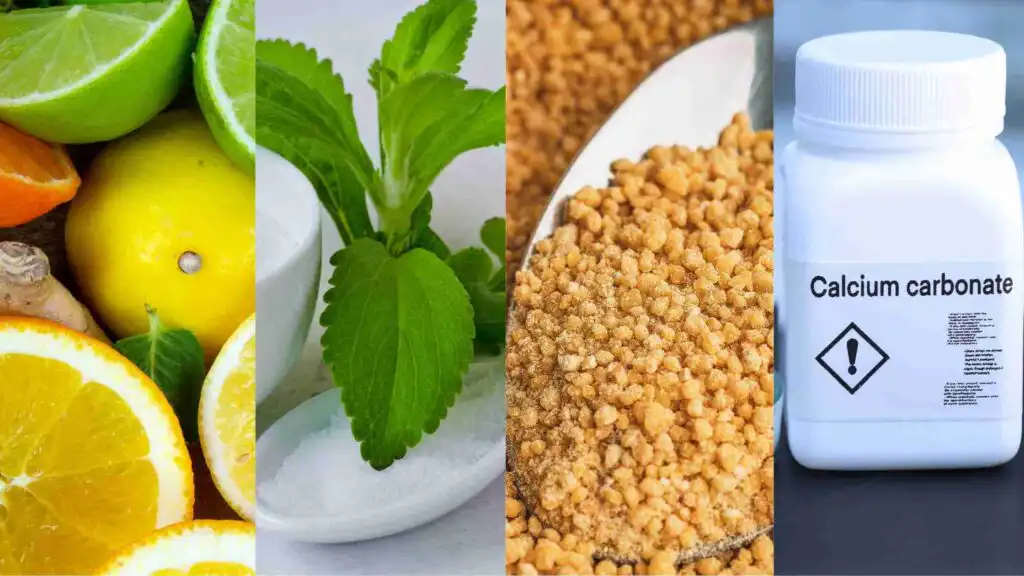
GRAS substances, or “Generally Recognized as Safe” substances, are essential to product development in the food, pharmaceutical, and cosmetic industries. If you’re in any of these fields, it’s important to understand how GRAS substances work so your products stay compliant, safe, and ready for market. Maybe you’re working on a new formulation or reviewing an
... Read moreEverything businesses should know about the Supplemented Foods Facts Table (SFFT)
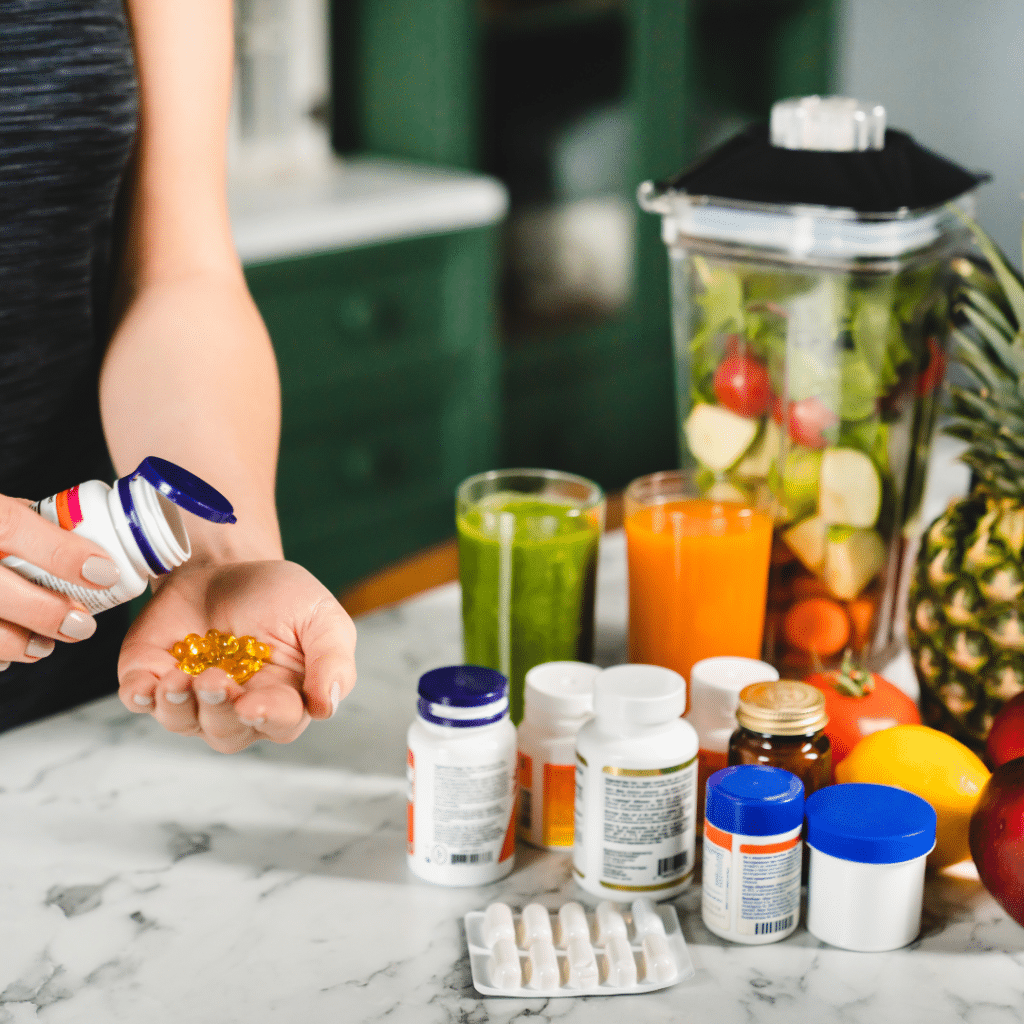
Introducing the Supplemented Foods Facts Table (SFFT), your go-to guide for navigating the ever-changing world of supplemented foods. With consumer demand skyrocketing for these products, grasping the SFFT is vital for businesses looking to excel in this booming market. In this article, we’ll unravel everything you need to know about the SFFT, from its purpose
... Read moreHow Manufacturers Can Stay Compliant With Canadian Medical Device Rules

https://youtu.be/E0E0dohMpC4 So, you’re a medical device manufacturer eyeing the Canadian market? Great choice! But before you dive in, let’s talk about the regulatory hoops you’ll need to jump through. Selling medical devices in Canada comes with its own set of rules, and trust me, you want to be on the right side of these
... Read moreSelling Food in Canada: Navigating the Requirements for Conventional and Supplemented Products

https://youtu.be/QABD-2XIRz0 Canada is known for its diverse culinary landscape. If you’re considering selling food products in this country, you’re in for a rewarding venture. However, it’s essential to understand the specific requirements and regulations governing the sale of conventional and supplemented food items. This article will explore what it takes to sell food in Canada,
... Read moreA Guide to FDA 510(k) Clearance for Medical Devices

Navigating the intricate world of medical devices can be daunting, especially when it comes to ensuring their safety and effectiveness. In the United States, the FDA 510(k) clearance process is the critical checkpoint manufacturers must pass before introducing medical devices. This article will break down the regulatory complexities of FDA 510(k) clearance, including submission requirements,
... Read moreHow Drug Registration Works in the U.S. and What NDC Numbers Mean
Drug registration and NDC number might sound technical, but they play a big role in how medications make it to the U.S. market. If you’re in the pharmaceutical space, understanding how these systems work is key to getting your products approved, listed, and safely into the hands of patients. In this guide, we break it
... Read moreNavigating the Regulatory Seas: How Experts Ensure Your Medical Devices Set Sail Smoothly

Introduction In the ever-changing world of medical device manufacturing, ensuring your product complies with regulations is akin to navigating stormy seas. The safety of patients, the assurance of quality, and the complexities of compliance weigh heavily on manufacturers. This article sheds light on the challenges faced and how expert navigators—regulatory consultants—play a pivotal role in
... Read moreA Clear Guide to FDA 510(k) Submission Requirements

Introduction In the world of medical devices, ensuring patient safety and efficacy is paramount. The 510(k) submission process is a critical step for manufacturers seeking clearance from the U.S. Food and Drug Administration (FDA) to market their devices. This process can be complex, but it plays a pivotal role in bringing innovative medical devices to
... Read moreNavigating French Language Labeling Requirements in Canada: A Guide for Food Manufacturers

Introduction: As a food manufacturer in Canada, ensuring that your product labels comply with Health Canada’s regulations is crucial for successful market entry and consumer safety. For businesses looking to distribute food products in Canada, one essential aspect is adherence to bilingual labeling requirements, notably including French alongside English on product labels. In this blog,
... Read moreWhy is it crucial to avoid FDA Warning Letters for dietary supplements and health products?

As a business owner operating in dietary supplements and health products, you are undoubtedly aware of the ever-evolving regulatory landscape. Ensuring that your products meet the stringent requirements set forth by the U.S. Food and Drug Administration (FDA) is not merely a matter of legal obligation; it’s imperative for your brand’s success and consumer
... Read moreEverything businesses should know about submitting a 30-Day Pre-Market Notification and Structure-Function Claims

https://youtu.be/MlufAYFqQ1s In dietary supplements, navigating the intricate regulatory landscape is a challenging yet indispensable aspect of launching your product. Submitting a 30-day Pre-Market Notification and Structure-Function Claim to the U.S. Food and Drug Administration (FDA) is a pivotal regulatory requirement. This notification must be submitted at least 30 days before introducing your dietary supplement to
... Read moreHealth Canada’s Notice Enables the Use of L-alpha Glycerylphosphorylcholine in Supplemented Food

Health Canada Approves Alpha GPC in Foods On September 20, 2023, Health Canada approved the use of L-alpha-glycerylphosphorylcholine (alpha GPC) as a supplement in foods. This decision followed a thorough safety review by Health Canada’s Food Directorate. How Health Canada Administers Foods and Food Supplements Health Canada ensures food and drug safety is maintained in
... Read moreNavigating Cosmetic Product Regulations through FDA Recent MoCRA Update

https://youtu.be/uuXA8yHrrZc Introduction: In response to the FDA’s recent draft guidance on the Registration and Listing of Cosmetic Product Facilities and Products, we’ve got some updates and insights that might interest you, especially if you’re in the cosmetic business. First, nearly 50 public comments were submitted to the FDA regarding this draft guidance by the September 5,
... Read moreSelling Your Food Products in the USA: A Guide for Food Business Owners

https://youtu.be/x4c0LEPmJuM If you’re selling food products in the United States, understanding and complying with FDA regulations is non-negotiable. The Food and Drug Administration (FDA) has established rigorous requirements to ensure the safety and transparency of food products available to consumers. Here’s a practical guide tailored to food business owners on ensuring your food products meet
... Read moreHow to Obtain an NPN License for Your Natural Health Product in Canada
When it comes to selling natural health products (NHPs) in Canada, securing an NPN license is your ticket to success. Issued by Health Canada, this license confirms that your product is safe, effective, and manufactured to meet high-quality standards. It is not just about compliance; it is about building trust with your customers and standing
... Read moreHow to prepare and submit an eStar 510k Submission as of October 1st

Introduction: Staying up-to-date with the latest regulations and tools is crucial in medical device submissions. As of June 9, 2023, the FDA introduced the electronic Submission Template and Resource (eSTAR) for Pre-Submissions, revolutionizing the process for medical device applicants. Starting October 1, 2023, all 510(k) submissions, unless exempted, must be submitted electronically using the eSTAR template.
... Read more10 Steps to Sell Dietary Supplements in the U.S.
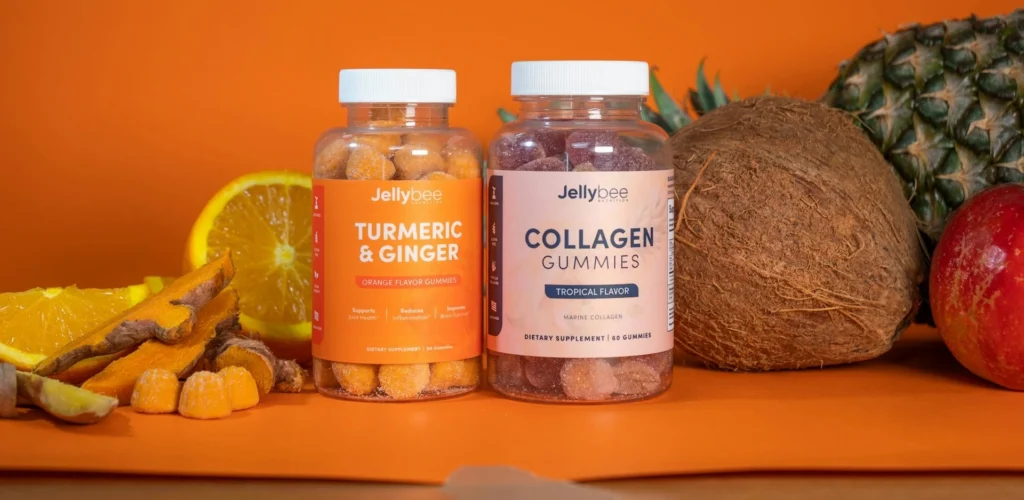
The dietary supplement industry in the U.S. is growing fast. More people are looking for vitamins, minerals, and other supplements to support their health. If you’re planning to sell supplements, you need to follow strict regulations to make sure your products are safe and legal. Unlike regular foods or prescription drugs, dietary supplements have their
... Read moreUnderstanding FSVP Rules and How to Stay Compliant

For importers in the global food trade, ensuring the safety and compliance of imported products is a top priority. The Foreign Supplier Verification Program (FSVP) is vital to this effort, requiring importers to adhere to specific rules and meticulously maintain accurate records. In this article, we’ll delve into everything importers need to know about FSVP
... Read moreWhat the Draft Guidance Means for MLMD Applications

*This summary of Health Canada’s guidance document provides compliance details for manufacturers submitting a new or amended application. Under the regulations, this applies to Class II, III, and IV for MLMD. It does not cover the non-ML information required in a medical device license application.* Artificial intelligence (AI) encompasses algorithms and models that perform tasks
... Read moreHow FSMA Strengthens Food Safety Compliance

The Food Safety Modernization Act (FSMA) Made Simple Imagine a world where preventing food-related illnesses is more important than dealing with them after they happen. That’s precisely what the FSMA, introduced in 2011, aims to achieve. The FSMA focuses on stopping contamination and illnesses before they occur, covering various stages of the food supply chain,
... Read moreFSVP Planning: Everything you should know before choosing an FSVP Agent for Import/Export

https://youtu.be/T3pLp1dF08Y Introduction: In the intricate world of global trade, ensuring the safety and compliance of imported and exported food products is a shared responsibility. The Foreign Supplier Verification Program (FSVP) stands as a cornerstone in this effort, safeguarding the well-being of consumers and the integrity of the food supply chain. When navigating the FSVP landscape,
... Read moreStaying Ahead of the Game: Key Insights on the Latest Requirements for New Drug Submissions

From FDA guidelines to global regulatory standards, understanding the nuances of each requirement is essential to ensure a timely and successful drug submission. Our experts have analyzed the latest updates and compiled a comprehensive guide to help you stay ahead of the curve. In the dynamic and highly regulated world of pharmaceuticals, staying ahead
... Read moreDemystifying GHP and GMP Regulatory Food Safety Audits: Why They Matter

In the realm of food production and processing, safety is paramount. Ensuring our food is free from contaminants and meets stringent quality standards is a shared responsibility. This is where Good Hygiene Practices (GHP) and Good Manufacturing Practices (GMP) come into play. This comprehensive guide will explore the significance of GHP and GMP regulatory food
... Read moreNavigating the FDA Registration 510K Process: Your guide to getting your Medical Device to market

Introduction: So you’ve got a game-changing medical device that could reshape healthcare as we know it. Amazing! But before making that impact, you must navigate the labyrinth of FDA regulations and registrations, specifically the 510(k) pathway. In this guide, we’ll break down the process in a relatable way, covering everything from FDA regulations to
... Read moreNavigating HACCP Regulations: A Comprehensive Guide for Industry Compliance

https://youtu.be/dVbug89UHBA In today’s fast-paced and diverse industries, pursuing safety and quality isn’t just a goal; it’s a non-negotiable commitment. This is where HACCP – Hazard Analysis and Critical Control Points – takes center stage. It’s not just a buzzword; it’s a systematic approach that safeguards products and instills consumer trust. Let’s delve into the depths
... Read moreAAFCO Membership Approves New Pet Food Regulations for Enhanced Transparency and Consistency

Introduction In a groundbreaking move, the Association of American Feed Control Officials (AAFCO) has given the green light to an extensive overhaul of pet food and specialty pet food regulations. This decision is set to transform the way pet owners perceive and choose pet food products, marking a significant shift after more than four decades. With an
... Read moreIOR Compliance USA: Navigating Regulations and Tax Responsibilities

Introduction: Navigating international trade regulations and the intricacies of Importer of Record (IOR) compliance and taxes can be complex. This comprehensive guide breaks down IOR compliance and its connection to tax obligations in the USA, offering a clear understanding for businesses engaged in global trade. IOR Compliance USA: Connecting Regulations and Tax Responsibilities What is
... Read moreDecoding Food Labeling Regulations: Unveiling Requirements on Food Labels

Understanding Food Labels: A Simple Guide Food labels are more than just ingredient stickers on packaging; they are a key tool that helps consumers make informed choices about what they eat. This guide simplifies the complex world of food labeling regulations, focusing on the rules set by Health Canada, the U.S. Food and Drug Administration
... Read moreDel Health Canada: Roles & responsibilities in protecting Canadians

Del Health Canada is a crucial regulatory body responsible for ensuring the safety and effectiveness of drugs and medical devices in Canada. This organization plays a vital role in protecting the health and well-being of Canadians by setting standards, conducting research, and enforcing regulations. In this guide, we’ll explore the responsibilities and functions of Del
... Read moreEverything you should know about Health Canada Controlled Substances

Health Canada, the Canadian federal health department, oversees the regulation of controlled substances in Canada. Controlled substances are regulated due to their potential for abuse, dependence, and public health and safety harm. They include drugs and substances that are categorized into different schedules based on their level of risk and potential for misuse. In Canada, controlled substances are
... Read moreNew CFIA regulatory responsibilities regarding caffeinated energy drinks
The Canadian Food Inspection Agency (CFIA) has regulated food products for many years, with a particular focus on the safety of Canadians. This includes ensuring products are packaged, labeled, and advertised by government regulations and guidelines that set standards to protect the health and safety of consumers. In response to an increasing number of consumer
... Read moreQuality Management Systems (QMS): Impact of Quality Assurance & Quality Control

Quality Management Systems (QMS) are an essential part of the life sciences healthcare industry, and many people need clarification on what a Quality Assurance person is. The FDA and ISO 9000 mandate quality processes, including quality assurance (QA) and quality control (QC) in medical devices, pharmaceuticals, and other sectors. They are crucial to regulated businesses since
... Read moreYour comprehensive guide to GRAS Applications for peak efficiency and success

Are you ready to take your business to new heights? Look no further. In this comprehensive guide, we will unlock the potential of GRAS applications to help you achieve peak efficiency and success. Whether you’re a small startup or an established enterprise, understanding the power of GRAS (Generally Recognized as Safe) applications is essential for
... Read moreEverything you should i know about Health Canada product monographs

Health Canada publishes product monographs to describe a product’s health risks, benefits, and performance. Product monographs are for health products licensed by Health Canada and those approved by the Natural Health Products Directorate (NHPD). A product may appear on the market without a product monograph being written. A manufacturer is responsible for ensuring that the
... Read moreHow to Avoid NHP Application Delays in Canada and Keep Your Product on Track

NHP launch delays in Canada are more common than most teams anticipate, and they rarely arrive without consequence. A single deficiency notice from Health Canada can push your product launch back by months, stall distribution agreements, and force you to re-examine timelines you already committed to internally. If you are managing a new natural health
... Read moreHealth Canada MDALL Medical Device Registration Guide

Introduction Health Canada MDALL is the key to legally marketing medical devices in Canada. If you are a manufacturer looking to enter the Canadian market, this registration ensures your device is safe, effective, and compliant with national regulations. It also gives you access to a trusted database that health professionals and patients rely on to
... Read moreHow the GRAS List Works for Food Additives
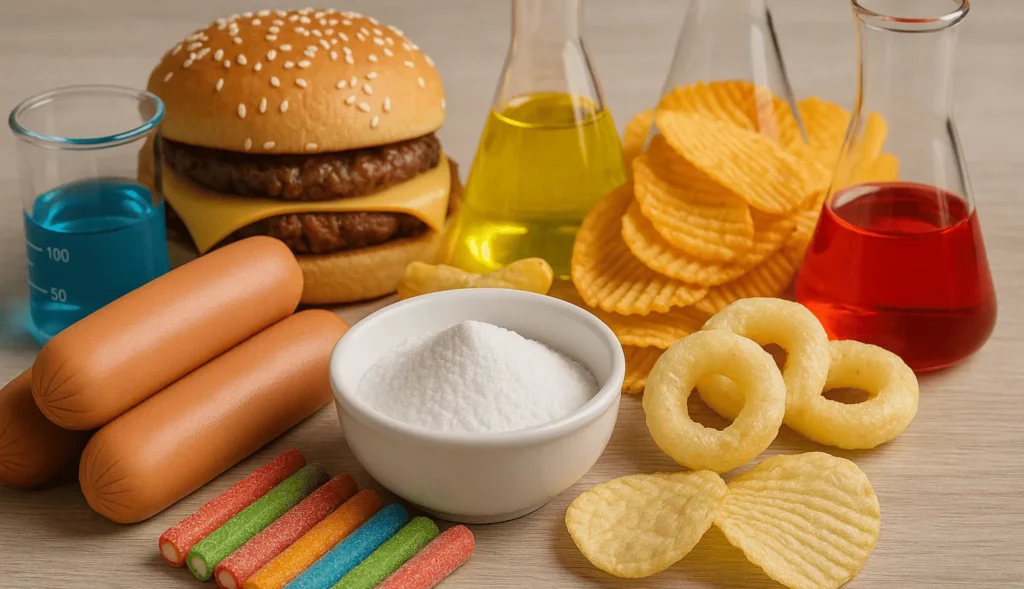
If you’re in the food business, you’ve likely come across the term “GRAS”, short for “Generally Recognized as Safe.” It’s a key concept in food regulation that identifies substances considered safe for use in food based on expert consensus or historical usage. But what does it really take for an ingredient to earn that recognition,
... Read moreHow to Get a Medical Device Establishment Licence in Canada

Learn how to get your Medical Device Establishment Licence faster and stay compliant with Health Canada.
... Read moreHow Manufacturers Can Register With the FDA

Are you running a business that deals with food, drugs, medical devices, cosmetics, or dietary supplements? If so, you must know the FDA establishment registration requirements to ensure your products meet legal standards and are safe for public consumption. The process of FDA establishment registration may seem daunting, but with the proper guidance, it can
... Read moreStreamlining Imports With an Importer of Record

Importing goods from other countries can be a lucrative business and a complex and tedious process. As an importer, you must navigate a maze of regulations, tariffs, and customs procedures that vary from country to country. That’s where an Importer of Record (IOR) comes in. An IOR is a professional service provider that can help
... Read moreWhat to Ask When Registering a Food Facility With the FDA

Quality Smart Solutions offers the best FDA Facility Renewal & Registration services in North America for Medical Devices, Food, and Drug FDA domestic and foreign facilities! The process of food facility registration can be complex, but knowing what is required and following the instructions carefully helps ensure a successful registration. In this guide, you will
... Read more5 Tips to Find the Best Medical Device Regulatory Consultant

Finding the right medical device regulatory consultant is one of the most important steps to ensure your product meets all FDA requirements and remains compliant with ever-evolving regulations. Whether you are preparing for market launch, renewing an existing product registration, or managing post-market surveillance, expert guidance can make all the difference. The right consultant can
... Read moreHow to Achieve GRAS Status for Your Ingredient

If you want to know how to get your ingredient generally recognized as safe (GRAS) by the FDA, you are in the right place. This guide will walk you through the criteria, process, and best practices to help you meet compliance requirements and avoid unnecessary delays. GRAS designation allows companies to bring products to market
... Read moreWhat Businesses Need to Know About FDA NAC Guidelines
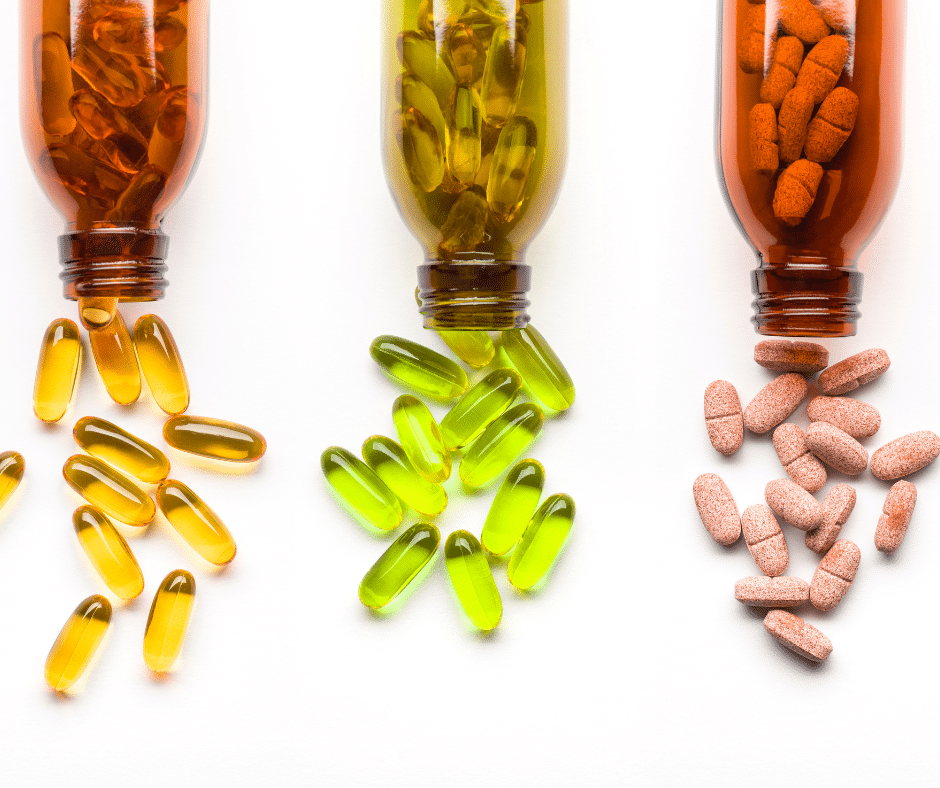
Introduction: On August 1, 2022, the FDA announced the final guidance on FDA’s policy regarding products labeled as dietary supplements that contain N-acetyl-L-cysteine (NAC). NAC is a supplement form of cysteine, a semi-essential amino acid, which was approved by the FDA as a drug in 1963 to treat liver side effects from an overdose of
... Read moreYour Complete Guide to Getting HACCP Certification

Most regulations require you to follow HACCP principles rather than hold a formal certificate. HACCP certification demonstrates your commitment to food safety, product quality, and compliance. It gives customers, regulators, and retailers clear assurance that your products are consistently safe. If you’re asking yourself, “How do I get HACCP certification?” or “What is HACCP certification?”,
... Read moreGRAS vs NDI: A Simple Guide to Ingredient Compliance

Understanding the differences between GRAS and NDI is essential for any company developing food ingredients or dietary supplements in the U.S. market. Both pathways help you meet FDA safety requirements before launch. However, they apply to different product types and rely on distinct kinds of evidence. Therefore, choosing the correct pathway early prevents delays, reduces
... Read moreUnlock 7 Steps to Verifying Your FSVP in 2023

Foreign Supplier Verification Program (FSVP) Due to the increasingly global nature of today’s industry, an increasing number of businesses are searching for their suppliers overseas. Even though foreign sourcing has traditionally been difficult, the Foreign Supplier Verification Program (FSVP) established under the FSMA does not make the process any less difficult. The obligation for guaranteeing
... Read moreNHPID and NPN: 6 Key Things Businesses Should Know

If you’re selling natural health products in Canada, understanding NHPID and NPN is essential. These tools from Health Canada determine whether your ingredients are acceptable and whether your product is eligible to be sold legally. Without proper licensing, your product cannot be legally marketed or distributed in Canada. Both the NHPID and NPN processes require
... Read moreUnlock Food Regulations for Food Sales Health Canada & FDA

Do you want to learn about the food regulations for food sales in North America? This could include food facility registration, food safety regulation standards, TMAL, food label requirements, FSVP agents, and more. Then your wish is about to be granted. If you import, export, manufacture, or trade food products in North America you may
... Read moreCosmetic Notification Form: A Step-by-Step Guide to Stay Compliant in Canada

Filling out a Cosmetic Notification Form is a required step before selling any cosmetic product in Canada. Health Canada uses this form to monitor ingredients, verify product safety, and ensure compliance with the Food and Drugs Act and Cosmetic Regulations. While the process can seem confusing at first, it becomes simple once you understand what
... Read moreHealth Canada Marketing Authorization Update – Increased Vitamin D

On January 19, 2022, Health Canada announced a marketing authorization (MA) to permit manufacturers to voluntarily increase the amount of Vitamin D in cow’s milk, goat’s milk and margarine. This was decided in order to facilitate alignment and compliance with the Regulations Amending the Food and Drug Regulations (Nutrition Labelling, other Labelling Provisions and Food
... Read moreMDSAP: What Is It and How Does It Apply to my Medical Device?

Who Needs an MDSAP Certificate? Anyone looking to manufacture a Class II, III or IV medical device in Canada requires a Medical Device Licence (MDL) for each product they sell. In order to obtain an MDL you need an ISO 13485 certificate that has been issued through the Medical Device Single Audit Program (MDSAP). These
... Read morePublic Consultation on Medical Devices Clinical Trials Modernization Initiative

Health Canada has published a consultation paper on proposed changes to the regulation and oversight of clinical trials for drug, medical devices and natural health products (NHPs). The purpose of these changes is to improve the speed at which these trials are approved, to avoid stifling medical advances that could help improve the health of
... Read moreCancellation of MDELs for Non-Compliance with Annual Licence Review Requirements

Cancellation of Medical Device Establishment Licence for A Non-compliance With Annual Licence Review Requirements On May 27, 2021 Health Canada issued a bulletin about cancellation of Medical Device Establishment Licence (MDELs) for the sites that are not compliant with the annual licence review requirements. About 700 MDEL holders have not submitted an annual licence review
... Read moreInterim Order No. 2 Respecting the Importation and Sale of Medical Devices for Use in Relation to COVID-19

As of March 1, 2021, Interim Order No. 2 replaces Interim Order No. 1 Respecting the importation and sale of medical devices for use in relation to COVID-19. Interm Order No. 2 will continue to issue expedited authorizations for the sale or import of medical devices to deal with the current significant risk of COVID-19
... Read moreFDA’s Addition of the 9th Allergen (Sesame)

Sesame will become the 9th major food allergen officially recognized by the United States (FDA) on January 1st, 2023. The industry will have roughly two years to incorporate labeling changes to accommodate this new requirement. This clear labeling initiative is warranted to improve transparency, reduce allergic reactions, and protect this vulnerable population. Prevalence: Sesame allergies
... Read moreWhy You Should Consider a Third-Party NHP Importer of Record?
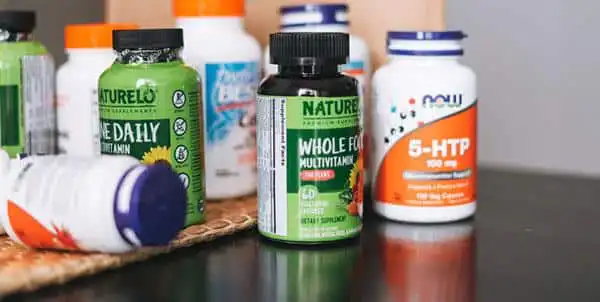
Natural Health Products (NHPs) are regulated by Health Canada under the authority of the Food and Drugs Act and the Natural Health Products Regulations (NHPR) and must be licensed prior to marketing in Canada. Licensed NHPs are assigned an eight (8) digit Natural Product Number (NPN) or Homeopathic Medicine Number (DIN-HM). To be classified as an NHP,
... Read more