
We use cookies to display personalized content, analyze site traffic, provide recommendations, and ensure you have a great browsing experience. By continuing to use our site, you consent to our use of cookies. Privacy Policy.


Health Canada requires a Medical Device Licence (MDL) for all Class II, III and IV devices before they can be sold in Canada. We help you manage the process end to end, from classification to submission, so you can focus on innovation while we ensure full compliance.
To sell a Class II, III or IV medical device in Canada, manufacturers must obtain a Medical Device Licence (MDL) from Health Canada. This licence verifies that your product meets the required standards for safety, quality, and performance.

Device Classes

Licence Requirements

Renewal & Maintenance
Whether your device needs an MDL, and what that application will require, comes down to classification. Class II, III, and IV devices are reviewed differently, each with its own evidence expectations and level of scrutiny.
Companies that start preparing before classification is settled often find the gap surfaces later, as a request for additional information partway through Health Canada’s review.
Confirming your device class early means building your application around the right pathway from the start. This guide walks through Health Canada’s four device classes, how MDL and MDEL requirements differ, and the decision path to market.
We assess your device’s intended use and technology to confirm its risk class (II, III, or IV) and determine the correct regulatory pathway before submission.
For Class II–IV devices, we verify your ISO 13485 MDSAP certification and ensure alignment with Health Canada’s Medical Devices Regulations (SOR/98-282).
Our experts review your Device Master File, safety and performance data, clinical evidence (if required), and labeling for completeness and compliance.
We compile and validate all required forms, attestations, and supporting evidence to ensure your submission meets Health Canada’s MDL application checklist.
We verify bilingual labeling, safety statements, and UDI details to meet Canadian regulatory standards. We can also review your IFU to ensure compliance with Health Canada regulations.
We handle all communication with Health Canada, addressing information requests and monitoring your application status until approval.
We help you manage annual renewals, amendments, and company updates to maintain ongoing compliance.

Explore the latest articles, blogs, and regulatory news related to Health Canada MDL requirements and medical device licensing.
An MDEL (Medical Device Establishment Licence) authorizes a business to import, distribute, or manufacture medical devices in Canada, and it applies across all device classes. An MDL (Medical Device Licence) is different: it authorizes one specific Class II, III, or IV device for sale, and it’s issued to the device itself rather than to the company handling it. This is why many businesses need both. A manufacturer holds the MDL for its Class II device, while the Canadian company importing or distributing that device separately holds the MDEL. Neither licence substitutes for the other, so a company that only secures an MDL without confirming its Canadian importer’s MDEL status, or vice versa, still has a compliance gap.
ISO 13485 is the quality management system standard itself, while MDSAP (Medical Device Single Audit Program) is the audit mechanism Health Canada requires as evidence that your quality system actually meets that standard. For Class II, III, and IV devices, Health Canada does not accept a standalone ISO 13485 certificate issued outside the MDSAP framework as sufficient for an MDL application. Your manufacturing site needs to be audited by an MDSAP-recognized Auditing Organization, and the resulting certificate has to match the specific site listed in your MDL application. A certificate that covers a different facility than the one manufacturing your licensed device is one of the more common documentation mismatches that stalls a review.
Yes, and this works differently than it does for an MDEL. Health Canada issues the MDL directly to the manufacturer, wherever that manufacturer is located, so a foreign company doesn’t need a Canadian subsidiary to hold its own MDL. What it does need is a Canadian regulatory correspondent to manage the application, respond to Health Canada’s information requests, and handle the ongoing relationship after the licence is issued. This is a separate role from an Importer of Record, who takes on accountability for physically bringing the device into Canada and typically holds the MDEL tied to that import activity. Some companies need one of these services, and some need both, depending on whether they’re also handling their own Canadian distribution. We offer both, so foreign manufacturers can access the Canadian market whether they need regulatory representation, import logistics, or the full pathway.
It depends on the class, and Health Canada applies a sliding scale rather than a single clinical data requirement across the board. Class II devices generally don’t require full clinical trials; a summary of safety and performance built from literature review, bench testing, or existing data on substantially similar devices is often sufficient. Class III and IV devices carry higher risk and typically require more substantial clinical evidence, which can include clinical investigation data specific to your device, particularly if there’s no adequate body of existing evidence for a comparable product. We assess where your device sits on that scale early, since discovering a clinical data gap after submission is one of the costlier delays to correct mid-review.
Incomplete documentation is the most common, but “incomplete” often means something more specific than missing pages, such as a device description that doesn’t match the classification claimed, or performance data that addresses an earlier version of the device than what’s being licensed. MDSAP certificate mismatches are another frequent cause, particularly when the certificate lists a different manufacturing site or scope than the application describes. Missing or outdated risk management documentation, and insufficient performance or clinical data for the device’s class, round out the most common gaps. We run a pre-submission review specifically to catch these before Health Canada does, since a deficiency identified during Health Canada’s review adds a full information-request cycle to your timeline, not just a quick fix.
Yes. Health Canada requires both the outer label and the Instructions for Use (IFU) to be available in English and French for medical devices sold in Canada. This isn’t a simple translation exercise. Bilingual labelling needs to carry the same regulatory content and warnings in both languages, formatted so neither language is harder to read or less prominent than the other. Errors here are more common than companies expect, particularly when a translation is done separately from the regulatory review and ends up technically accurate but missing required elements from the English original. We review both the outer label and the IFU together, in both languages, rather than treating translation and regulatory compliance as separate steps.
Health Canada requires manufacturers of licensed Class II, III, and IV devices to confirm annually, before November 1, that the information on file for their device hasn’t changed since their last submission or amendment. This confirmation is tied to the right-to-sell fee, which is charged for the twelve-month period beginning November 1 each year. This annual renewal is different from an amendment: if something about your device does change, a design modification, a manufacturing site change, or an update to labelling, that change needs to be reported to Health Canada as an amendment when it happens, not held until the next renewal cycle. We manage both the annual renewal confirmation and any amendment filings, so changes to your device get reported on the correct timeline rather than surfacing at renewal.
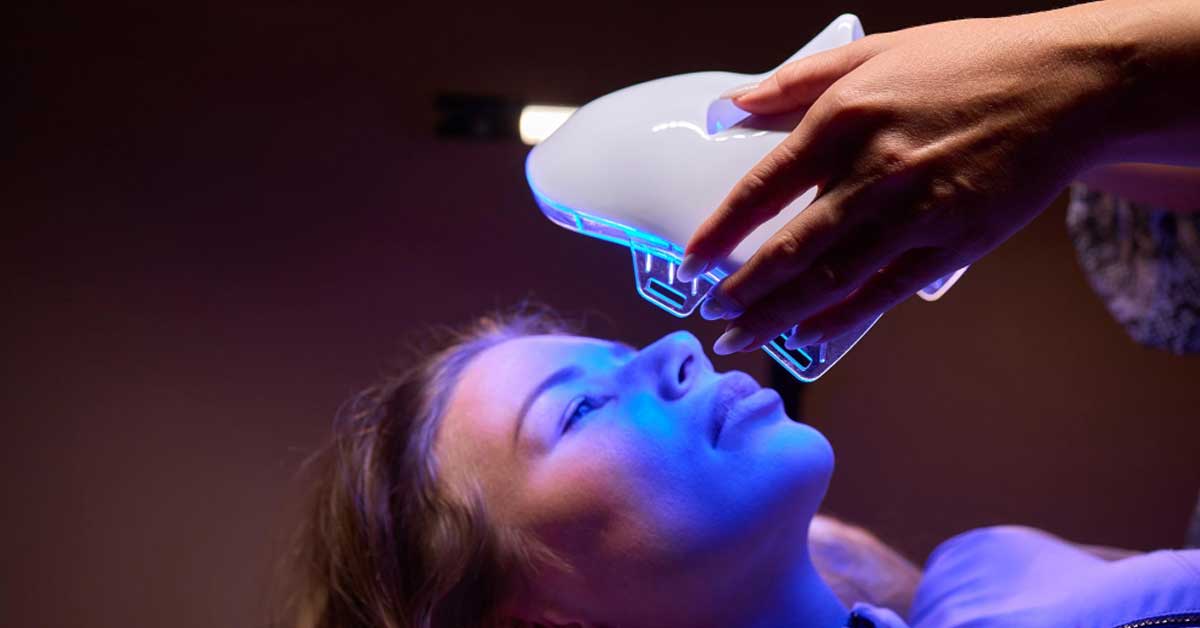
Some do, and it comes down to how the device is designed and marketed rather than what category it’s sold under. A derma roller that penetrates the skin, or that carries a therapeutic claim such as reducing scarring or improving skin texture, is generally treated by Health Canada as a Class II device rather than a low-risk Class I product. That distinction matters because Class II, III, and IV devices require an MDL before they can be legally sold in Canada, and the manufacturer also needs a current MDSAP certificate demonstrating ISO 13485 compliance as part of that application. Sellers who assume a beauty device is automatically low-risk because it’s marketed as a cosmetic tool are the ones most likely to hit delays, since Health Canada evaluates the actual product and its claims rather than the product’s marketing category.