


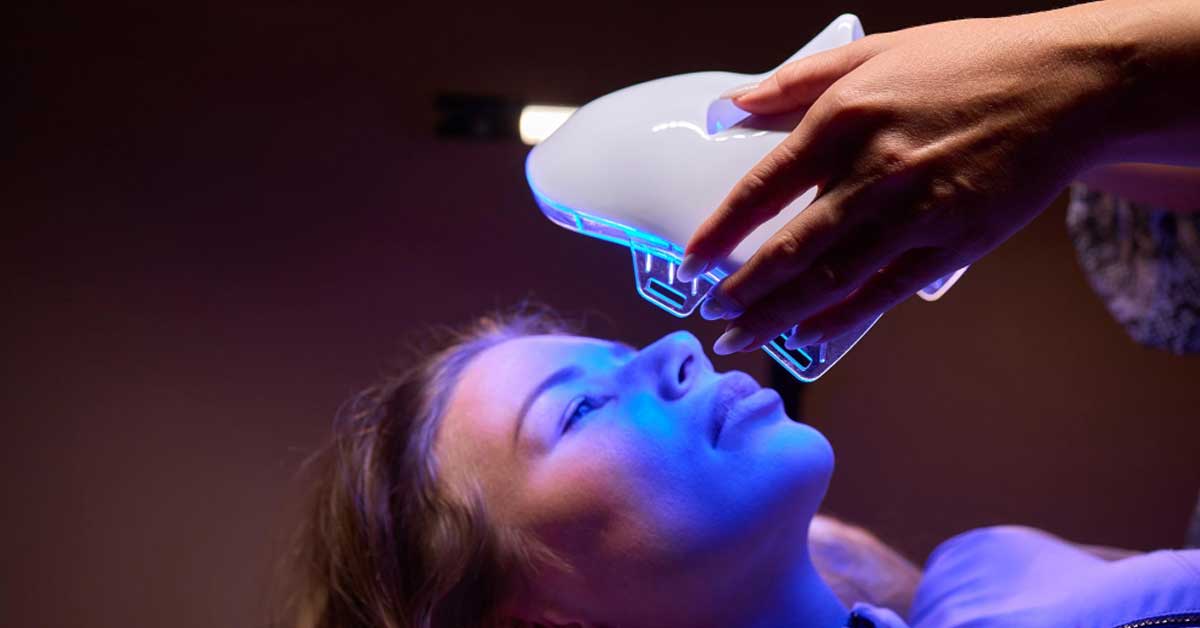
Do you sell, or plan to sell, beauty devices on Amazon Canada? Class II licensing and MDSAP requirements are worth understanding early. Health Canada classifies many popular beauty tools as Class II medical devices. Examples include LED therapy masks, microcurrent devices, laser hair removal units, and radiofrequency skin-tightening devices. That classification comes with specific regulatory obligations. Amazon expects you to meet them before your product goes live, and Health Canada enforces them whether or not your listing stays active.
E-commerce moves quickly, and you may already have inventory, a launch date, and stakeholders waiting for results. However, skipped or mismanaged licensing and audit steps are common causes of listing suspensions, import holds, and licence refusals.
This post explains what Class II licensing and MDSAP requirements mean for beauty device sellers. You can use it to plan your regulatory pathway and prepare for common delays.
What Makes a Beauty Device a Class II Medical Device?
Health Canada classifies medical devices based on the level of risk they pose to users. Class II devices present low-to-moderate risk and require a Medical Device Licence (MDL) before they can be sold in Canada. A device falls into this class when it makes a therapeutic or diagnostic claim, delivers energy to the body (such as light, electrical current, or radiofrequency), or is intended to affect a physiological process.
Many beauty devices meet one or more of these criteria. A home-use LED mask that claims to reduce acne or stimulate collagen is not a cosmetic tool. Health Canada treats it as a medical device. A microcurrent facial device that claims to tone facial muscles is, by regulatory definition, emitting energy to affect a physiological function.
If your product labelling, marketing copy, or Amazon listing makes any such claim, Health Canada will classify your device accordingly, and Amazon Canada may require proof of compliance before allowing the listing. Health Canada evaluates this case by case under Schedule 1’s risk-based classification rules, so the same product category can land in a different class depending on the specific claim made.
The Medical Device Licence: What You Need to Apply
To sell a Class II medical device in Canada, you must hold a Medical Device Licence issued by Health Canada under the Medical Devices Regulations (SOR/98-282). The application requires you to demonstrate that your device is safe and effective, and that you operate under a recognized quality management system.
Your MDL application must include device description and classification justification, performance and safety data, a summary of the labelling (including the English and French label as required under Canadian labelling regulations), and evidence of conformity with recognized standards such as IEC 60601 for electronic medical devices.
Health Canada’s target review timeline for a new Class II licence application is 15 calendar days from screening acceptance, though incomplete submissions or additional information requests can extend this considerably. Class III and Class IV applications carry longer targets, at 60 and 75 calendar days respectively.
Why MDSAP Is a Mandatory Piece of the Puzzle
The Medical Device Single Audit Program (MDSAP) is an internationally recognized audit program. One regulatory audit of a manufacturer can satisfy the requirements of several participating countries. These include Canada, the United States, Australia, Brazil, and Japan. Health Canada formally adopted MDSAP as the accepted quality management system audit for medical device manufacturers in Canada.
Under Canadian regulations, manufacturers of Class II devices must hold a valid MDSAP certificate or equivalent quality system evidence. This includes foreign manufacturers exporting to Canada. Health Canada accepts the MDSAP audit report as evidence that your quality management system conforms to ISO 13485. ISO 13485 is the international standard for medical device quality systems. You can review Health Canada’s official transition guidance on the Health Canada MDSAP transition page.
Without a current MDSAP certificate, your MDL application is incomplete. Health Canada will not issue your licence.
How Amazon Canada Enforces These Requirements
Amazon does not simply rely on self-declaration. For categories that Health Canada regulates as medical devices, Amazon Canada’s compliance team actively requests documentation before approving or reinstating listings. This typically includes your Health Canada Medical Device Licence number and Device Identifier. In some cases, it also includes supporting documentation, such as bilingual packaging images or the MDL document itself.
If you are a Canadian importer selling a foreign-manufactured device, one of two things must be true. You hold the MDL yourself, or you have a formal agreement with a licensed Canadian importer who does. Amazon also flags products that make medical claims on their listing pages without regulatory authorization. A listing suspension is easier to prevent than to reverse, especially when the issue escalates to Health Canada.
Manufacturer or Importer: Who Holds Which Licence?
You may not be the original equipment manufacturer (OEM) of the beauty device. Your obligations under Canadian medical device regulations are still significant. In most cases, the foreign manufacturer holds the MDL for the device itself. The Canadian importer must separately hold an MDEL. This licence authorizes the importer to bring the device into Canada and distribute it here.
This means someone must be on file with Health Canada as the accountable Canadian party. That party is responsible for the device’s safety and labelling requirements, responding to Health Canada inquiries, and supporting any mandatory inspections.
Many sellers choose not to take this on directly. Quality Smart Solutions (QSS) can act as your Canadian Importer of Record. It holds the MDEL on your behalf, so you do not need to secure and maintain a separate import licence of your own. A neutral third-party importer also keeps your distribution options open. Your product stays independent of any distributor’s name. On the licensing side, our Canada medical device compliance services cover MDL registration for Class II, III, and IV devices. They also cover the surrounding documentation.
Common Gaps That Trigger Delays or Rejections
Several recurring issues cause MDL applications and Amazon listing approvals to stall. Recognizing them early helps protect your timeline.
- Classification errors. An applicant lists a Class II device as Class I to avoid the MDL requirement. Health Canada identifies the discrepancy during review.
- Bilingual labelling gaps. Health Canada requires English and French labelling for consumer-facing devices sold in Canada. Missing or inadequate labelling stalls applications.
- Expired or mismatched MDSAP certificates. The certificate on file must match the manufacturing site listed in the MDL application.
- Unsupported claims. Amazon listings or product packaging make claims that go beyond what the MDL authorizes.
Each of these gaps needs correction before Health Canada issues a licence or Amazon reinstates a suspended listing. Addressing them early is far less disruptive than fixing them later in the process.