
We use cookies to display personalized content, analyze site traffic, provide recommendations, and ensure you have a great browsing experience. By continuing to use our site, you consent to our use of cookies. Privacy Policy.


SRIS stands for Scientific Review of Ingredient Submissions. It is a review pathway for animal food ingredients run by the Association of American Feed Control Officials (AAFCO) in partnership with Kansas State University. QSS works with animal food and pet food ingredient companies to prepare SRIS submissions, respond to reviewer questions, and move a new or modified ingredient toward an official AAFCO ingredient definition.

For years, new animal food ingredients could go through an ingredient definition process jointly run by AAFCO and the FDA's Center for Veterinary Medicine (CVM), the FDA division responsible for animal food safety. That arrangement ended when the FDA-AAFCO agreement expired in October 2024.
SRIS was created to fill that gap. It gives companies a path to get a new or modified ingredient scientifically reviewed and, if successful, listed in the AAFCO Official Publication (OP), the annual reference that states recognize for what can legally appear on commercial feed labels.
SRIS reviews are conducted by subject matter experts through Kansas State University's Olathe Innovation Campus, not by FDA. A successful review supports listing the ingredient in AAFCO's ingredient definition process, which is a separate track from FDA pathways like GRAS or a food additive petition, though many companies use SRIS alongside those pathways rather than instead of them. QSS works with companies to determine whether SRIS is the right fit, prepare a submission package, and manage the review process from initial filing through AAFCO listing.

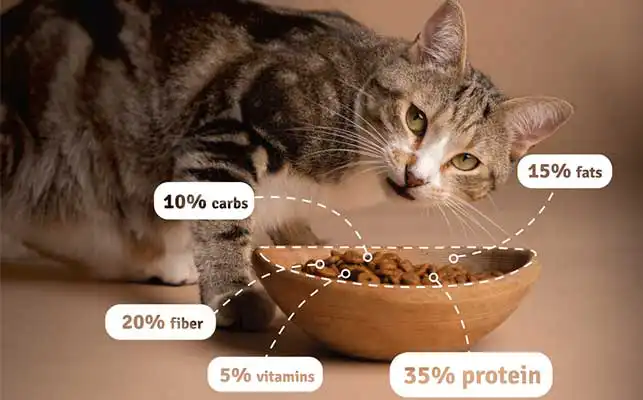
SRIS is one of four routes available for a new or modified animal food ingredient. Here's how the four options compare, so you can make the best decision.
Internal panel or FDA
AAFCO / K-State
FDA
FDA