Cosmetic Label Compliance for the Canadian Market

Every cosmetic sold in Canada must meet Health Canada's labelling requirements, including mandatory bilingual presentation in English and French. QSS reviews cosmetic labels for regulatory compliance and provides French translation, so your products are market-ready before they reach Canadian shelves. Since 2007.

Cosmetic Label Compliance & French Translation consultants

What Cosmetic Labelling Compliance Involves

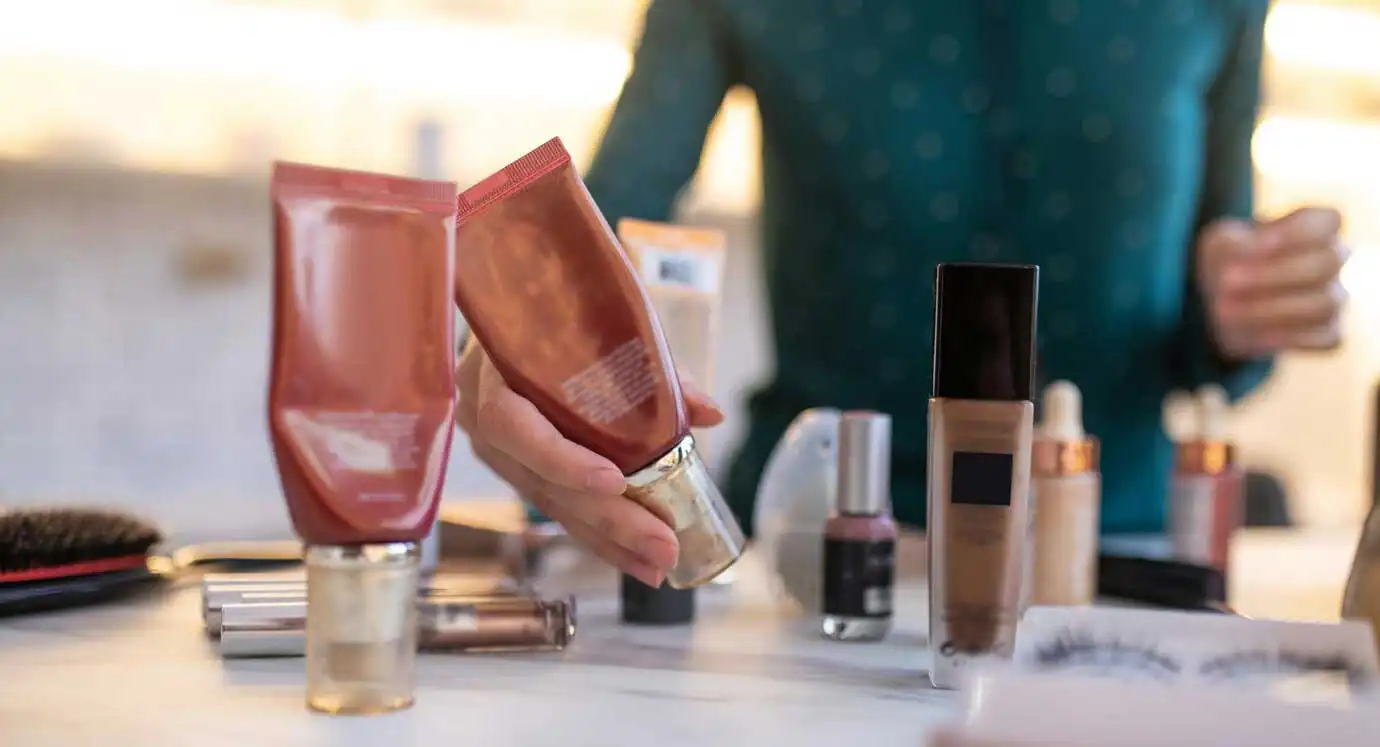
Health Canada's cosmetic labelling requirements apply to every product sold in Canada, regardless of where it is manufactured. Labels must include specific mandatory elements: the product's common name, net quantity, country of origin, and the name and address of the responsible party in Canada. Ingredient lists must follow INCI nomenclature and appear in descending order of concentration. 

Canada's Consumer Packaging and Labelling Act requires that all mandatory label information appear in both English and French. For cosmetic brands entering Canada from the U.S. or internationally, this bilingual requirement is one of the most common points of non-compliance and one of the most straightforward to resolve with the right preparation. 

A label that doesn't meet these requirements can delay market entry and create compliance exposure. Getting the review done before products ship is the most reliable way to avoid that. 

Reviewing cosmetic labels in Canada

Our Cosmetic Label Compliance Solutions

We review your cosmetic label against Health Canada’s mandatory bilingual requirements, identifying any elements that require English and French presentation and flagging gaps before your product reaches the Canadian market.

We translate the required label elements into French, ensuring the language used meets regulatory expectations for cosmetic labelling, not just general translation accuracy.

We verify that all required label elements are present and correctly formatted, including product identity, net quantity, country of origin, responsible party information, and INCI ingredient list in descending order of concentration.

We review your ingredient declarations for correct INCI nomenclature, ordering, and formatting in line with Health Canada’s cosmetic labelling requirements.

Where gaps or errors are identified during the review, we work with you to correct the label before submission or market entry, reducing the back-and-forth that comes from catching issues late.

Cosmetic labelling compliance in Canada

Why Cosmetic Brands Work With QSS

Canadian cosmetic regulatory expertise applied since 2007.
Bilingual label review and French translation handled together, not as separate engagements.
Label compliance support for both domestic and international companies entering Canada.
Issues identified and resolved before products reach the market.

Go Deeper on Cosmetic Labelling

Time to File Your CNF?

Label compliance and cosmetic notification go hand in hand. QSS manages the full Cosmetic Notification Form (CNF) process alongside your label review.

Selling in the U.S. as Well?

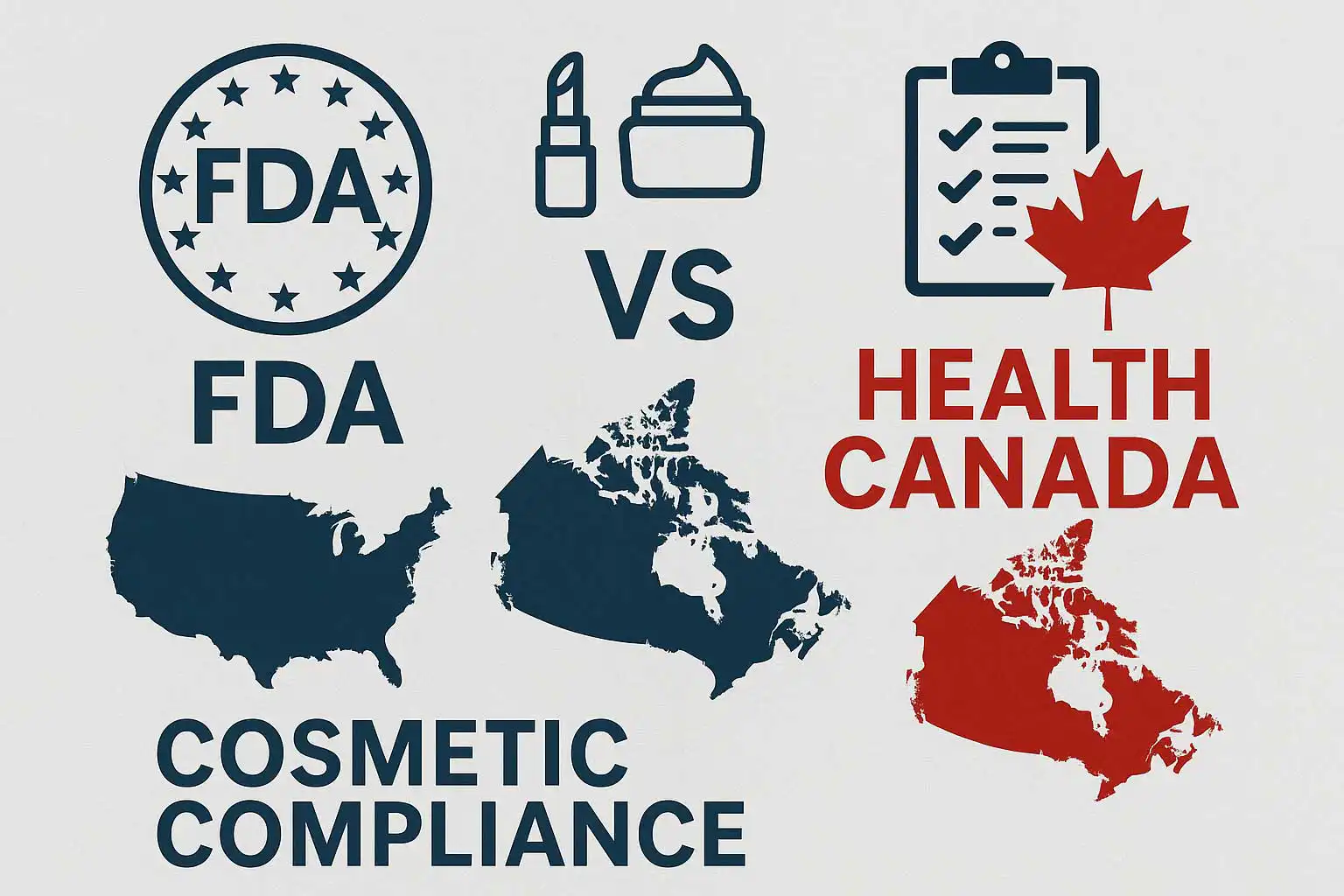
FDA has its own cosmetic labelling and registration requirements. QSS supports compliance on both sides of the border.

Why Questions on Cosmetic Label Compliance

Packaging and Labelling Act, all mandatory label information must appear in both English and French. This applies to every cosmetic product sold in Canada, including products manufactured outside the country. Bilingual labelling is one of the most common compliance gaps for international brands entering the Canadian market.

Health Canada requires cosmetic labels to include the product’s common name, net quantity, country of origin, and the name and address of the responsible party in Canada. Labels must also carry a complete ingredient list using INCI nomenclature in descending order of concentration. All of these mandatory elements must appear in both English and French. 

Only the mandatory elements are required to appear in both languages. Optional or marketing copy is not required to be bilingual, though many brands choose to present the full label in both languages. A compliance review will identify exactly which elements on your specific label require French presentation. 

INCI stands for International Nomenclature of Cosmetic Ingredients. It is the standardized naming system required for ingredient declarations on cosmetic labels in Canada and most international markets. Using the correct INCI name for each ingredient, in the correct order, is a regulatory requirement. In rare cases where an INCI name is not available, Health Canada recognizes alternative naming options. Errors in INCI nomenclature are a common reason labels require revision.

Yes. All cosmetics sold in Canada must comply with Health Canada’s labelling requirements, regardless of where they are manufactured or where they are already approved for sale. A product that meets FDA labelling requirements in the U.S., for example, will not automatically meet Health Canada’s requirements. A label review specific to the Canadian market is the most reliable way to confirm compliance before products ship.

Ideally, before your product is printed or finalized. Catching label issues at the artwork stage is significantly less costly than revising after the product has been manufactured or shipped. For brands entering Canada for the first time, a label review should be one of the first steps in the market entry process, alongside the Cosmetic Notification Form submission. 

Need Help Or Have A Question?

0/5 (0 Reviews)
We use cookies to display personalized content, analyze site traffic, provide recommendations, and ensure you have a great browsing experience. By continuing to use our site, you consent to our use of cookies. Privacy Policy.