


 Animal feed ingredient approval in Canada is not as straightforward as it might seem when you first look at the regulatory landscape. Two federal bodies, the Canadian Food Inspection Agency (CFIA) and Health Canada, each play a distinct role depending on what your product contains, what it claims, and which animals it is intended for.
Identifying the right regulator early shapes your data requirements, your labelling, and your timeline. If you are responsible for getting a new feed ingredient or formulation to market, understanding this split from the outset is one of the most practical steps you can take to plan with confidence.
The confusion is understandable. The line between a livestock feed, a pet food, and a veterinary health product is not always obvious, and the answer often depends on the purpose of the product and the claims you make about it. This post breaks down how feed ingredient approval in Canada is divided between the CFIA and Health Canada, what each pathway involves, and where classification questions most often come up.
How the Regulatory Jurisdiction Is Divided
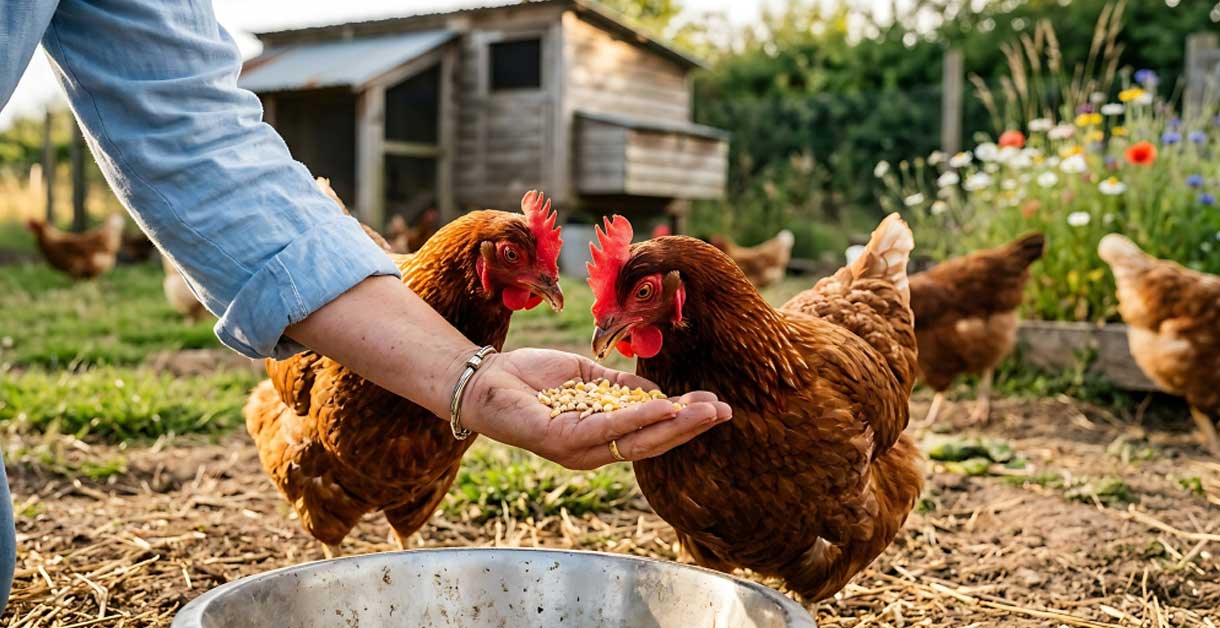
The CFIA administers the Feeds Act and the Feeds Regulations, 2024, which govern ingredients used in livestock feeds. If your product is intended to be fed to farm animals, including cattle, swine, poultry, sheep, and aquaculture species, the CFIA is your primary regulator. The agency maintains the Canadian Feed Ingredients Table, which is the reference document that determines whether an ingredient is already acceptable for use or requires CFIA approval before it can be included in a feed product.
Health Canada’s role is different. It oversees veterinary health products (VHPs), which are low-risk products intended to support the health of companion and food-producing animals. Pet food sits outside both of these frameworks. It is not regulated under the Feeds Act or by Health Canada. Instead, pet food imports must meet CFIA animal health requirements, and pet food labels must comply with the Consumer Packaging and Labelling Act and the Competition Act.
If your product is intended for dogs or cats, our team can walk you through pet food compliance in Canada. The regulatory expectations differ significantly depending on which stream applies to your product.
What the Canadian Feed Ingredients Table Tells You
The Canadian Feed Ingredients Table is your first stop when assessing whether an ingredient requires approval before use. It lists approved single ingredient feeds, organized into Part 1 and Part 2, along with their definitions and any conditions of use. If your ingredient is listed in Part 1 and your product matches its description, you can proceed without approval or registration. Part 2 ingredients are also listed, but each new source must be registered with the CFIA.
If your ingredient does not appear on the table, or if your product differs from the listed description in purpose, conditions of use, composition, or manufacturing process, it needs CFIA approval before it can be manufactured or sold in Canada. The CFIA’s data requirements for single ingredient approval cover areas such as the ingredient’s purpose, manufacturing process, composition, safety for the target animals, safety for people consuming food from those animals, and environmental safety. Review timelines vary with the complexity of the ingredient and the completeness of the submission, so we recommend building approval into your project plan from the start rather than treating it as a final step.
When Health Canada Enters the Picture
Health Canada becomes involved when your product is a veterinary health product. A VHP is a low-risk product, such as a vitamin or mineral product, that supports an animal’s health and carries general health maintenance claims. VHPs can only contain substances listed on Health Canada’s List C, and they do not go through a full drug review. Instead, companies notify Health Canada at least 30 days before selling the product, and each notified product receives a notification number.
Claims to treat, prevent, or cure disease, or to enhance production, fall outside the VHP program and would place the product in the veterinary drug category. Our Canada VHP licensing services are designed specifically to help companies work through this process efficiently and avoid the submission errors that cause the most delays.
The two pathways meet when a VHP is intended for use in livestock feed. Under the Feeds Regulations, 2024, mixed feeds may include VHPs that are listed in the CFIA’s Compendium of Non-Feed Products, which sets out the approved species, claims, inclusion levels, and directions for each product. Notification with Health Canada and listing in the compendium are separate steps, so it is worth confirming both early if feed use is part of your plan. For more detail on the notification process itself, see our guide to VHP registration in Canada.
Products That Span Both Frameworks
Some products touch both agencies, and this is where regulatory planning becomes especially important. For example, an ingredient sold as a single ingredient feed for livestock and also used in a supplement for dogs may be a CFIA matter for one market and a VHP for the other. Each agency has its own data requirements, review timelines, and submission formats, so one submission will not cover both.
The most efficient approach is to complete a regulatory classification review before you finalize your product formulation. Changing the species claim, adjusting the intended use statement, or modifying marketing language after a submission has been filed takes more time and budget than getting the classification right at the start.
If there is any ambiguity about how your feed should be assessed, the CFIA offers pre-submission consultations that can clarify your pathway before you commit resources to a full dossier. For classification questions on the VHP side, our post on whether your product is a veterinary health product or a drug is a helpful starting point.
Common Submission Mistakes to Avoid
Even when companies correctly identify the governing regulator, submissions often run into problems because of how the application is prepared. These issues account for many preventable delays:
- Submitting incomplete safety data for a new feed ingredient, particularly residue and human safety data for ingredients used in food-producing animals
- Using ingredient names or definitions that do not align with those listed in the Canadian Feed Ingredients Table or the applicable regulations
- Making claims on labels or in marketing materials that fall outside what the chosen pathway allows, which can move the product into a different category entirely
Each of these issues can lead to a request for additional information, which pauses the review and extends your timeline. Building a pre-submission review into your internal workflow, or working with a regulatory partner who knows what each agency expects, helps keep the process on track.
Key Takeaways
- The CFIA governs feed ingredient approval for livestock under the Feeds Act and the Feeds Regulations, 2024, while Health Canada oversees veterinary health products through its notification program.
- The Canadian Feed Ingredients Table is the starting point for assessing whether your ingredient needs CFIA approval, registration, or neither.
- VHPs must use substances on List C, carry only general health maintenance claims, and be notified to Health Canada at least 30 days before sale.
- A VHP can be included in livestock feed when it is listed in the CFIA’s Compendium of Non-Feed Products.
- Early classification and a complete, well-aligned submission help keep your timeline on track.