

Cannabis edibles are one of the most tightly regulated product categories in Canada — and one of the most commercially attractive. The requirements cover everything from how you manufacture to how you label, and Health Canada enforces all of it.
Canada legalized edible cannabis products in October 2019 under amendments to the Cannabis Act and its regulations. Since then, Health Canada has enforced detailed requirements that cover everything from product composition to labelling and good production practices.
Bringing an edible product to market involves three interconnected layers: federal licensing, product compliance (formulation, packaging, and labelling), and provincial distribution. Each one has its own requirements, and they need to work together. Here’s what each layer involves.
Understanding the Licensing Framework
Before you manufacture or sell any edible cannabis product, you need the appropriate licence from Health Canada. Specifically, you must hold a licence for processing under the cannabis edible category, or a standard processing licence that includes edibles as an authorised activity. Health Canada evaluates your application based on your physical security plan, quality assurance protocols, and personnel qualifications.
The application process itself can take several months. Health Canada publishes service standards, but timelines vary depending on the completeness of your submission and any requests for additional information. You should budget at least six months for review, and longer if your facility requires a pre-licence inspection. Building a strong submission from the outset reduces the risk of back-and-forth correspondence that stretches your timeline further.
What Counts as an Edible Cannabis Product
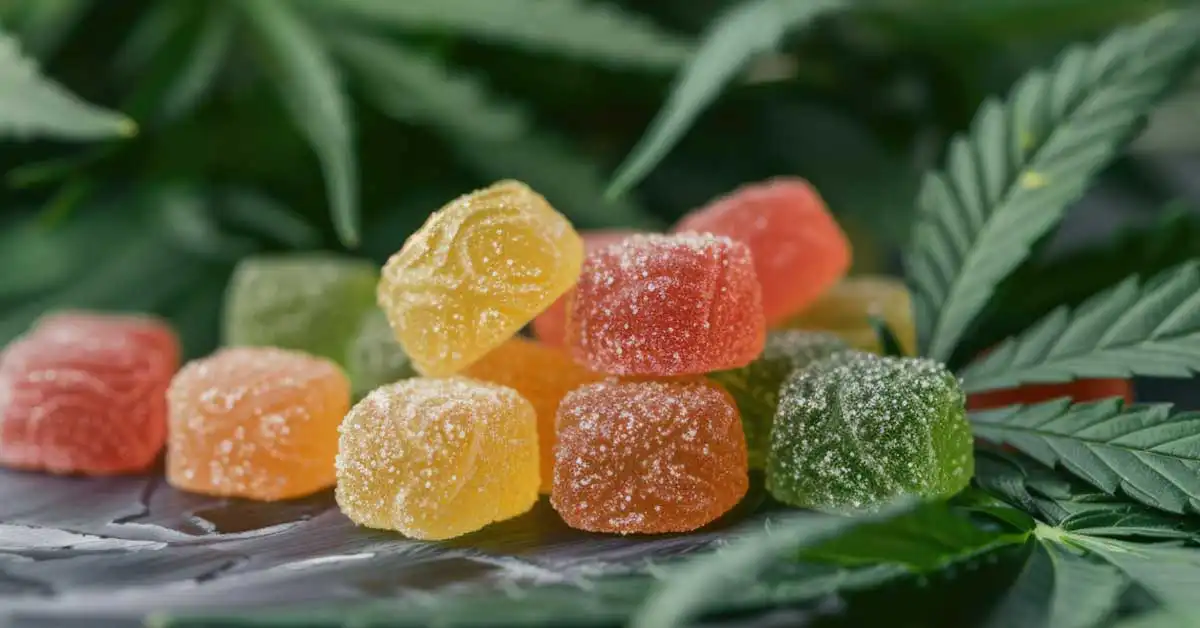
Health Canada defines edible cannabis as a product that contains cannabis and is intended to be consumed in the same manner as food. This includes baked goods, beverages, confections, and other food-form products. However, it does not include dried cannabis, cannabis oils meant for oral administration by measured dose, or cannabis topicals.
The Health Canada classification guide for edible cannabis provides detailed criteria for distinguishing edible products from other cannabis classes. Misclassifying your product can result in your application being returned or your product being deemed non-compliant after launch. Verify your product classification early in the development process.
THC Limits and Composition Rules
If you’re new to cannabis edibles regulations, here’s the most important number to know: 10 mg of THC per unit. This means each individual piece (one gummy, one chocolate, one cookie) cannot contain more than 10 mg of THC. This limit has not changed.
What did change under Health Canada’s March 2025 regulatory amendments is how multi-packs work. The 10 mg THC limit per unit can now be packaged together, as long as the overall package doesn’t exceed the 30 g cannabis equivalent limit. In plain terms: you can now sell a pack of five 10 mg gummies in a single package, where that wasn’t possible before. This gives producers more flexibility to offer multi-serving formats that were previously not permitted.
What ingredients are off limits?
Beyond THC, Health Canada is strict about what can go into an edible cannabis product. The following are prohibited: caffeine, nicotine, alcohol (anything above 0.5% w/w), vitamins and minerals (with limited exceptions for approved food additives), and any “supplemented foods” as defined under the Food and Drug Regulations.
The reasoning is straightforward: these restrictions are designed to prevent products from being appealing to children and to avoid combining cannabis with other substances that could amplify its effects or create health risks.
If your recipe uses any pre-made food ingredients like syrups, coatings, or flavour bases, check each one carefully. An ingredient that’s perfectly legal in a conventional food product may not be permitted in an edible cannabis context. Getting your formulation reviewed early saves significant rework down the line.
Packaging and Labelling Requirements
Cannabis edible regulations in Canada impose some of the strictest packaging standards in the world. All edible cannabis products must ship in child-resistant, tamper-evident, plain packaging. The outer container cannot feature any design, imagery, or colour that might appeal to young people. You must use a single, uniform colour for the packaging, and your brand element is limited to one logo or brand name displayed once.
Labelling carries its own set of mandatory elements:
- The standardised cannabis symbol
- A Health Canada health warning message (rotated from an approved set)
- THC and CBD content per unit and per package, expressed in milligrams
- A list of all ingredients in descending order of proportion
- The licence holder’s name, phone number, and email address
- A lot number and packaging date
Omitting any of these elements gives Health Canada grounds to issue a compliance order. You must also ensure all required text appears in both English and French. Preparing bilingual labels early avoids last-minute translation errors that can stall your product launch.
Good Production Practices and Food Safety
Health Canada expects all edible cannabis processors to follow Good Production Practices (GPP) as outlined in the Cannabis Regulations. These practices overlap significantly with food safety standards under the Safe Food for Canadians Regulations. You must maintain documented procedures for sanitation, pest control, equipment maintenance, and personnel hygiene.
Many processors also adopt a Hazard Analysis Critical Control Point (HACCP) system voluntarily, even though Health Canada does not explicitly mandate HACCP for cannabis edibles. Implementing a HACCP plan demonstrates a higher level of due diligence and can smooth the inspection process. If your facility also handles non-cannabis food products, you already have a foundation to build on. Bridging those two compliance systems efficiently is where experienced cannabis compliance advisory services add real value.
Record-Keeping and Reporting Obligations
Health Canada requires licence holders to maintain detailed records of every production lot, including ingredient sourcing, processing steps, quality testing results, and distribution data. You must retain these records for at least two years. Inspectors can request access to these documents at any time, and failure to produce them can result in enforcement action.
Additionally, you must report any product recall, serious adverse reaction, or significant change to your operations directly to Health Canada. These reporting timelines are tight. A recall notification, for example, must go out within 24 hours of identifying the issue. Having a clear, rehearsed recall plan saves critical time and protects your licence.
Provincial and Territorial Distribution Rules
Even after Health Canada grants your licence, you still need to meet provincial or territorial requirements to actually sell edibles legally in Canada at the retail level. Each province and territory operates its own cannabis distribution and retail model. In Ontario, for instance, the Ontario Cannabis Store (OCS) acts as the sole legal wholesaler. In Alberta, licensed private retailers purchase through the Alberta Gaming, Liquor and Cannabis Commission (AGLC).
These provincial bodies often impose their own product listing requirements, testing protocols, and margin structures. You should engage with the relevant provincial authority well before your product is market-ready. Delays at the provincial listing stage catch many licence holders off guard, especially when they have already invested months in the federal licensing process.