


If you are preparing a new cannabis product for market or expanding into a new jurisdiction, understanding GMP, GPP, and GACP cannabis standards is not optional. These acronyms represent the quality frameworks that Health Canada and international regulators expect you to follow. Getting them wrong can trigger licence delays, product recalls, or outright rejections that cost your organization months of lost revenue.
Yet many regulatory teams treat these frameworks as interchangeable checkboxes rather than distinct systems with specific requirements. That approach creates gaps. Those gaps become audit findings. And audit findings become the kind of costly setbacks that put you and your team under intense scrutiny from senior leadership.
This guide breaks down what each standard covers, how they differ, and exactly how they benefit your cannabis operation. Keep reading to learn more.
What GMP Means for Cannabis Manufacturing
Good Manufacturing Practices (GMP) govern how you produce, test, package, and store cannabis products. In Canada, the Cannabis Regulations under the Cannabis Act outline GMP-aligned requirements for licensed processors. These rules ensure that every product leaving your facility meets consistent quality and safety standards.
GMP covers facility design, equipment qualification, personnel training, sanitation, and documentation. Each of these areas demands written standard operating procedures (SOPs) that your team follows and auditors can verify. If your SOPs are incomplete or outdated, inspectors will flag non-conformances that can stall your product launch.
For companies eyeing international markets, GMP compliance carries even greater weight. The European Union, for instance, requires EU-GMP certification for imported cannabis products. Achieving this level of compliance early positions your business to enter high-value export markets without scrambling to retrofit your quality system later.
GPP and Its Role in Canadian Cannabis Operations
Good Production Practices (GPP) are specific to the Canadian cannabis regulatory framework. Health Canada published its Good Production Practices Guide for Cannabis to help licence holders meet the requirements set out in Part 5 of the Cannabis Regulations. While GMP is a globally recognized standard, GPP is the Canadian interpretation tailored to the cannabis sector.
GPP addresses areas such as sanitation programs, pest control, recall procedures, and quality assurance testing. It also requires you to maintain detailed records of every production lot, including inputs, environmental conditions, and test results. These records must be available to Health Canada inspectors at any time.
One common misconception is that GPP and GMP are identical. They share principles, but GPP does not automatically satisfy international GMP requirements. If your regulatory strategy includes export, you need to understand where these frameworks overlap and where they diverge. Treating them as the same system creates compliance blind spots that auditors will find.
GACP and the Cultivation Side of Compliance
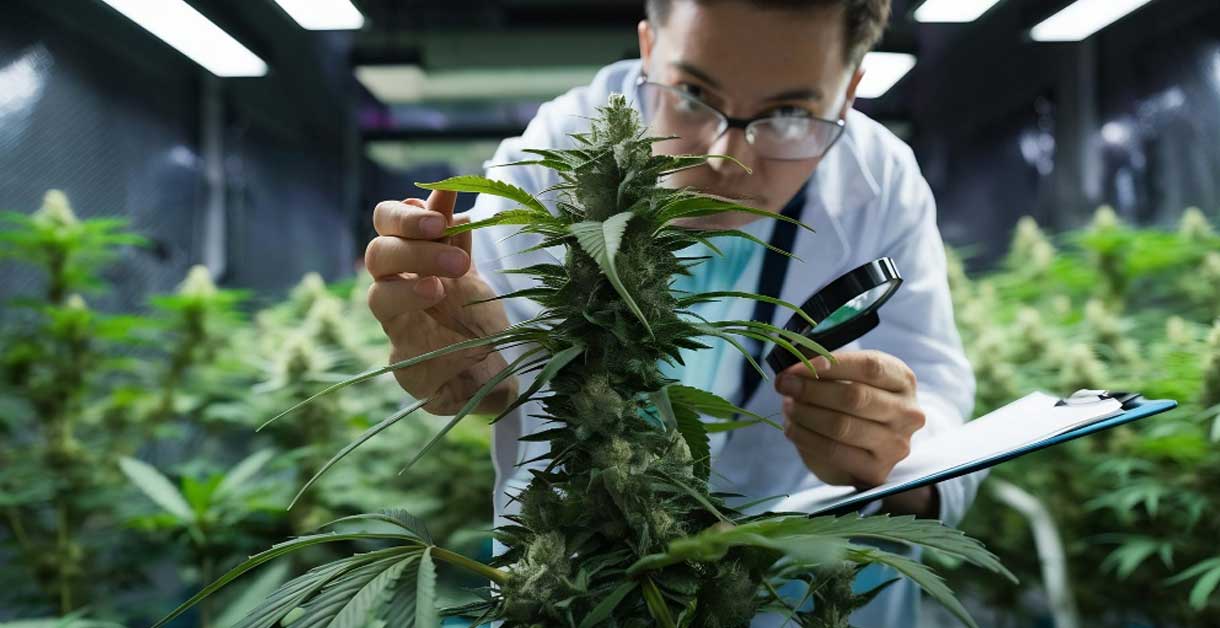
Good Agricultural and Collection Practices (GACP) apply to the cultivation and harvesting of cannabis plant material. This standard originates from the World Health Organization (WHO) guidelines for medicinal plants. It focuses on ensuring that raw cannabis material is grown, collected, and handled in ways that preserve its quality and safety before it ever reaches a processing facility.
GACP covers seed selection, soil management, irrigation, pesticide use, harvesting techniques, and post-harvest handling. For outdoor and greenhouse cultivators, GACP provides the structured approach that regulators expect. Without it, contamination risks increase, and your downstream processing team inherits quality problems that are expensive to resolve.
Implementing GACP also strengthens your supply chain credibility. If you source raw material from third-party cultivators, requiring GACP compliance from your suppliers gives you documented assurance that incoming material meets your quality specifications. This reduces the risk of failed batch testing and the production delays that follow.
How These Three Standards Work Together
Think of GACP, GPP, and GMP as three links in a single quality chain. GACP governs cultivation and raw material handling. GPP ensures your Canadian production operations meet Health Canada’s expectations. GMP aligns your manufacturing processes with international benchmarks. Together, they create end-to-end quality assurance from seed to finished product.
Gaps between these systems create real business risk. For example, a cultivator operating without GACP controls might deliver material with elevated microbial counts. Your processing team then faces a choice: reject the batch and miss your production schedule, or attempt remediation that adds cost and complexity. A strong GMP, GPP, and GACP cannabis compliance strategy eliminates these scenarios before they arise.
Regulatory teams that align all three frameworks from the outset also find audits less disruptive. When your documentation, training records, and SOPs follow a coherent structure, inspectors spend less time asking follow-up questions. That means faster inspection cycles and fewer conditions on your licence.
Practical Benefits for Your Business
Beyond meeting minimum regulatory requirements, these standards deliver measurable operational advantages:
- Reduced batch failures: Consistent processes and qualified suppliers lower the rate of out-of-specification results, protecting your production timelines.
- Faster market entry: Regulators process applications and licence amendments more efficiently when your quality documentation is thorough and well-organized.
- Export readiness: International buyers and regulators expect GMP and GACP compliance. Building these systems now avoids costly retrofitting when you decide to expand.
- Stronger supplier relationships: Requiring GACP from cultivators and GMP from co-manufacturers sets clear expectations and reduces incoming quality disputes.
Each of these benefits translates directly into time and money saved. For regulatory affairs professionals facing tight launch timelines, that efficiency matters enormously.
Building a Compliance Strategy That Covers All Three
Starting with a gap analysis is the most effective first step. Map your current SOPs, training records, and quality documentation against the specific requirements of GACP, GPP, and GMP. Identify where you meet the standard, where you fall short, and where your documentation simply does not exist yet.
From there, prioritize the gaps that carry the highest regulatory risk. Missing recall procedures, for example, represent a more urgent concern than minor formatting inconsistencies in batch records. A risk-based approach ensures you direct resources where they matter most.
Many organizations also benefit from external expertise during this process. An experienced cannabis regulatory compliance consultant can identify blind spots your internal team might overlook, especially when you are building systems across multiple frameworks simultaneously.