
FDA Updates Food Labeling Compliance Program

The FDA Food Labeling Compliance Program has just been updated to help food manufacturers and importers meet U.S. labeling requirements more effectively. On June 24, 2025, the U.S. Food and Drug Administration (FDA) announced a revised Compliance Program Manual (CPM) for general food labeling. This update is part of the agency’s broader efforts to modernize
... Read moreComparing FDA 510(k) and PMA Pathways for Medical Devices

When preparing to launch a medical device in the U.S., one of the first and most important decisions you’ll make is choosing the correct regulatory pathway. For many manufacturers, that means understanding the FDA 510(k) pre-submission process and how it compares to the Premarket Approval (PMA) route. These two regulatory pathways represent the most common
... Read moreBoosting Business Operations Through GMP Training

If you work in the life sciences industry, you’ve likely heard of GMP, Good Manufacturing Practice. It’s a fundamental part of producing safe, effective, and high-quality products. But how confident are you that your team fully understands what’s expected, and more importantly, why it matters? This blog breaks down what GMP compliance really involves and
... Read moreThe Role of Audits in Meeting Health Canada’s Compliance Standards

When it comes to audits related to Health Canada requirements, staying compliant is about more than checking off a list. It helps you maintain your licence, protect your brand, and stay competitive in a regulated market. If you hold a Drug Establishment Licence (DEL), Medical Device Establishment Licence (MDEL), or a Natural Health Product (NHP)
... Read moreHow to Comply with the FDA’s NDI Notification Process

If you’re planning to introduce a new ingredient into your dietary supplement formula for the U.S. market, the FDA NDI notification requirements are something you can’t afford to overlook. Failing to notify the FDA properly can result in regulatory action, rejected products, and disrupted business plans. To help businesses like yours navigate these rules more
... Read morePet Supplements or Veterinary Health Products? Understanding the Difference
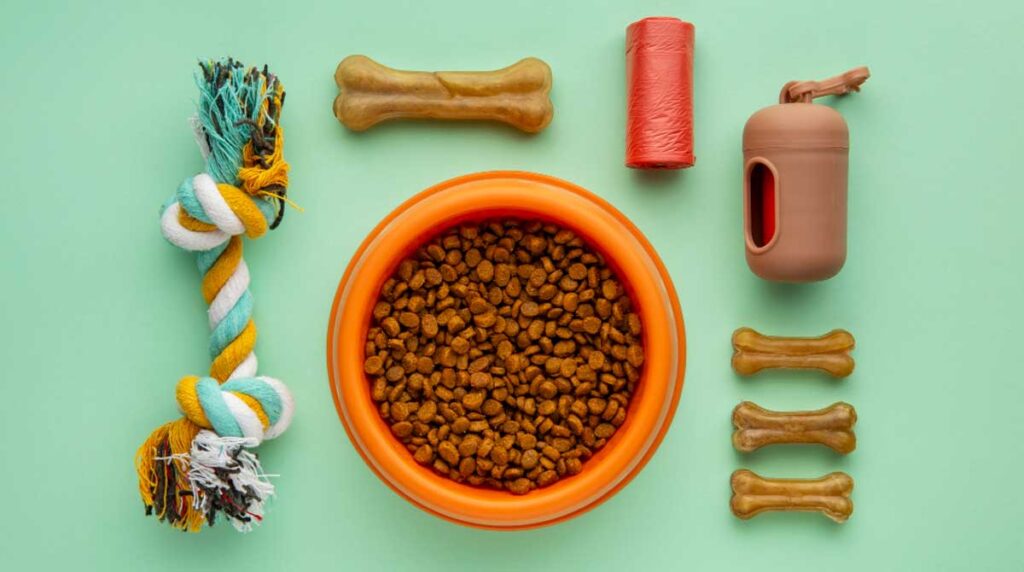
If you are planning to market animal health products, the question of pet supplements or veterinary health products will come up fast. This difference matters, especially if you’re selling in both the United States and Canada. What qualifies as a supplement in the U.S. might be considered a drug or a Veterinary Health Product
... Read moreClass II NHP submissions: What Health Canada’s New Workload Rules Mean For You
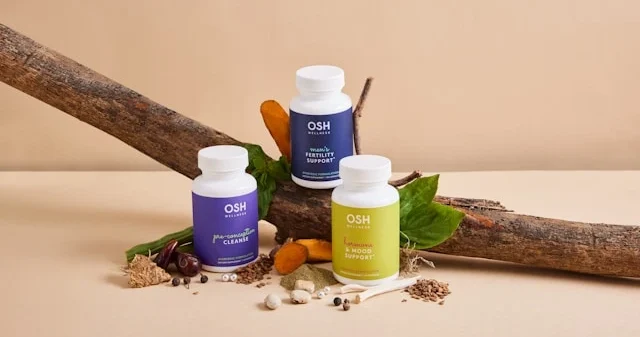
Starting June 9, 2025, Class II NHP submissions will no longer be reviewed just based on the date you filed them. Health Canada is updating how it handles licensing applications by applying a new workload management approach, prioritizing submissions based on intent to sell or manufacture in Canada. If your product doesn’t meet these criteria,
... Read moreA Guide to Securing an NPN for Hydration Products in Canada

Thinking of selling hydration products in Canada? If your product makes a therapeutic claim, you may need a Natural Product Number, or NPN. Health Canada requires companies to license hydration supplements, such as electrolyte powders and tablets as Natural Health Products (NHPs) when these products make health-related claims. However, not all hydration products fall into
... Read moreFY 2025 OMUFA Fees Due June 2: What You Need to Know

The FDA has confirmed that FY 2025 OMUFA facility fees are due soon. If your business was registered as a manufacturer or contract manufacturer of over-the-counter (OTC) monograph drug products at any time in 2024, you’ll need to pay this annual fee. The Over-the-Counter Monograph Drug User Fee Program (OMUFA) is modeled after the Prescription
... Read more